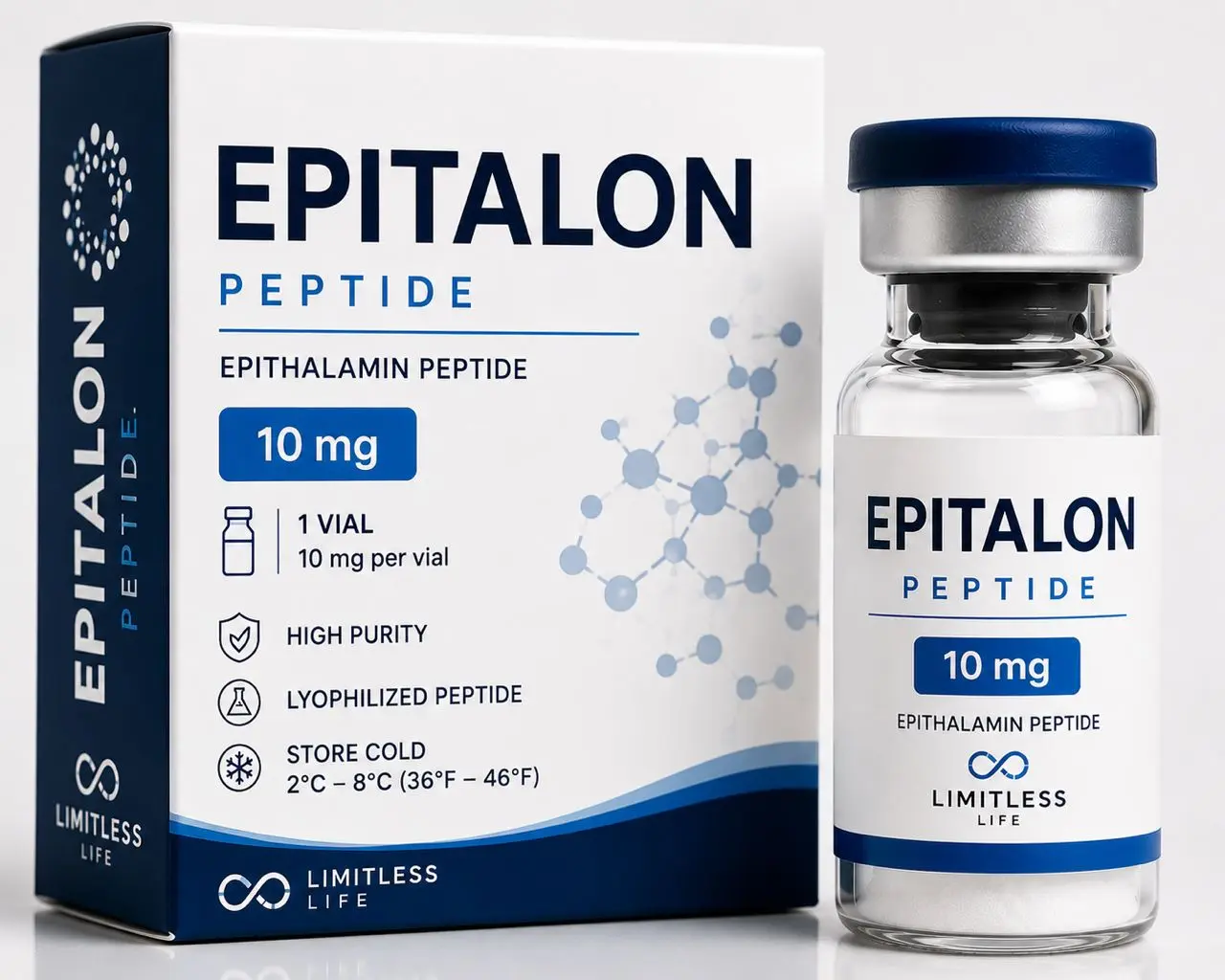
Why Epitalon Is Different From Every Other Anti-Aging Supplement
The anti-aging supplement market is saturated with compounds that claim anti-aging benefits but act through non-specific antioxidant mechanisms — reducing oxidative stress is valuable, but it is a maintenance function, not a repair function. Epitalon is different because it acts directly on one of the most fundamental mechanisms of biological aging: telomere shortening.
This is not marketing language. Epitalon is backed by decades of research conducted primarily by Dr. Vladimir Khavinson and his colleagues at the Saint Petersburg Institute of Bioregulation and Gerontology — one of the most prolific research programmes in peptide science, with over 800 published papers. The findings are extraordinary, and the mechanisms are clearly understood.
The Biology of Aging — Why Telomeres Matter
Every human cell contains chromosomes — structures that carry your genetic information. At the end of each chromosome are telomeres — repetitive DNA sequences that act as protective caps, analogous to the plastic tips on shoelaces. Every time a cell divides, these telomere caps get slightly shorter. When telomeres become critically short, the cell can no longer divide safely — it either enters a state of senescence (permanent dormancy) or apoptosis (programmed death).
The accumulation of senescent cells is one of the primary mechanisms of biological aging. They stop functioning effectively, they release inflammatory signals (the "senescence-associated secretory phenotype" or SASP) that damage neighbouring healthy cells, and they contribute to the tissue deterioration that we experience as aging. Telomere length is therefore not just a marker of biological age — it is a primary driver of it.
Telomerase is the enzyme that can rebuild telomeres — but in most adult cells, telomerase expression is suppressed. This is where Epitalon comes in.
How Epitalon Works — The Telomerase Activation Mechanism
Epitalon (tetrapeptide sequence Ala-Glu-Asp-Gly) was originally derived from a substance called Epithalamin, produced by the pineal gland. Research by Khavinson's team showed that Epitalon reactivates telomerase expression in somatic (non-germ-line) cells — the adult body cells that have had this enzyme suppressed.
The downstream effects of telomerase reactivation:
- Telomere length maintenance — cells can divide more times before reaching the Hayflick limit
- Reduced cellular senescence — fewer cells enter the dormant state that drives aging
- Reduced SASP inflammatory signaling — less chronic inflammation from senescent cells
- Improved stem cell function — stem cells that maintain tissue regeneration capacity retain their proliferative ability longer
- Extended replicative lifespan of cell populations — tissues remain more youthful at the cellular level
The Research Evidence — What Studies Actually Show
Animal Longevity Studies
The most dramatic evidence comes from animal longevity experiments. In studies using frogs (which are commonly used in aging research due to their controllable lifespan), Epitalon-treated animals lived significantly longer than controls — in one landmark study, 33% longer. In rodent models, Epitalon treatment reduced tumour incidence by 50% and extended maximum lifespan by 33-50% depending on the study design. These are not small effects — they are among the largest longevity interventions ever documented in animal models.
Human Studies
Human research has documented:
- Measurable improvements in immunological parameters in elderly subjects — T-cell function restoration toward younger patterns
- Telomere elongation measured by PCR in treated cell cultures
- Improved melatonin secretion patterns in elderly subjects — restoration of more youthful circadian regulation
- Reduction in cardiovascular disease markers in an 18-year follow-up study of elderly subjects — the longest Epitalon human follow-up in the literature
- Reduced mortality in treated vs control groups in several long-term studies
The Pineal Gland Connection
Epitalon was originally derived from Epithalamin — a substance produced by the pineal gland, the small neuroendocrine structure in the brain responsible for melatonin production and circadian rhythm regulation. One of the most consistent findings in Epitalon research is restoration of melatonin secretion patterns that have declined with age. This pineal restoration effect is why Epitalon is so consistently effective at improving sleep quality in older subjects — it is not just a sleep aid, it is restoring a functional decline of the gland responsible for sleep regulation.
Epitalon Benefits Summary
| Benefit | Mechanism | Research Evidence Level |
|---|---|---|
| Telomere maintenance | Telomerase upregulation in somatic cells | Strong — multiple cell studies |
| Extended cellular lifespan | Delayed replicative senescence | Strong — animal and cell models |
| Improved sleep quality | Pineal gland restoration → melatonin normalisation | Strong — human studies |
| Immune system restoration | T-lymphocyte function improvement | Moderate-Strong — human studies |
| Antioxidant effects | ROS scavenging and oxidative stress reduction | Moderate — multiple models |
| Reduced cancer incidence | Telomere stability + immune enhancement | Strong in animals, moderate in humans |
| Lifespan extension | Comprehensive anti-aging mechanism | Strong in animals, human data emerging |
Research Protocol Reference
Epitalon research protocols in the literature follow a specific pattern that differs from most peptides — it is used in short intensive cycles rather than continuously:
Duration: 10–20 consecutive days
Frequency: Once daily injection
Annual cycles: 2–3 per year
Why cyclical rather than continuous?
The telomerase activation and gene regulation effects of Epitalon appear to persist beyond the administration period — suggesting the peptide triggers gene expression changes that continue after the peptide itself has cleared. Continuous administration may produce receptor habituation that reduces this lasting effect.
The Ultimate Longevity Stack — Epitalon + NAD+
The combination of Epitalon and NAD+ addresses biological aging through two of the most fundamental and distinct mechanisms identified by longevity science:
- Epitalon → Telomere integrity → Extended cellular lifespan → Reduced senescent cell accumulation
- NAD+ → Sirtuin activation → DNA repair → Mitochondrial function → Reduced metabolic aging
Together they cover both the replicative capacity of cells (Epitalon) and their ongoing energy and repair function (NAD+) — two complementary pillars of the aging process. This is the most evidence-based longevity peptide combination currently available in the research space.
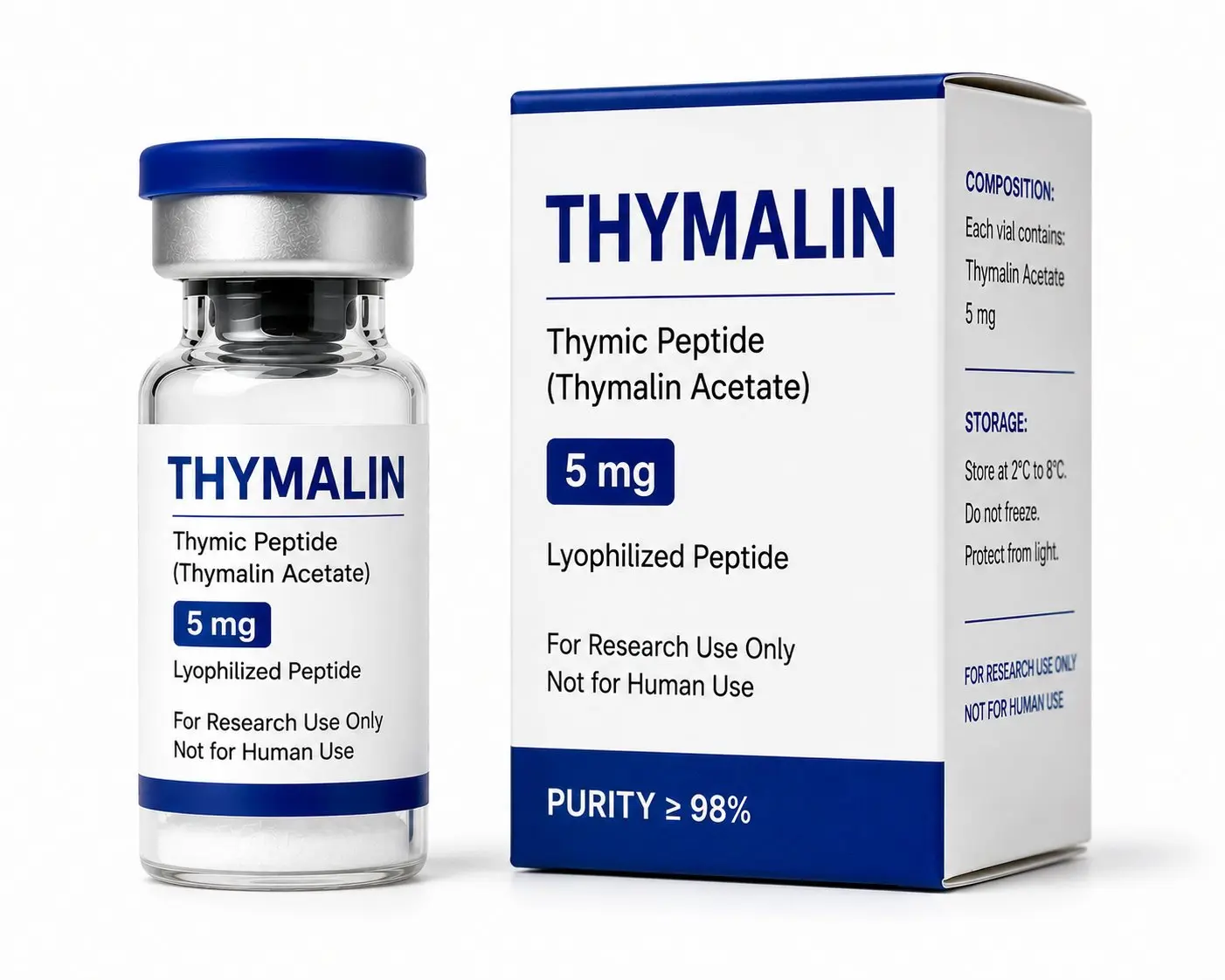
Buy Epitalon — The Longevity Peptide
From $30 per vial · 99%+ purity · COA included · Cold-chain shipped from North Carolina · Text Sarah at (704) 605-9477 with protocol questions
Shop Epitalon →