The Skin Science Showdown of 2026
Retinol has been the gold standard of evidence-based skincare for over 40 years. The research behind it is enormous, its mechanisms are well understood, and its efficacy for collagen production, cell turnover and photo-damage repair is not seriously questioned. But retinol also comes with a significant problem for a substantial proportion of users: irritation, redness, peeling, sensitivity and photosensitivity — side effects that limit how much can be used and rule it out entirely for sensitive skin types.
GHK-CU Copper Peptide has emerged in the past decade as the most compelling research-backed alternative — and in several respects, not just an alternative but a superior option. This comparison examines both compounds honestly, with reference to the actual research.
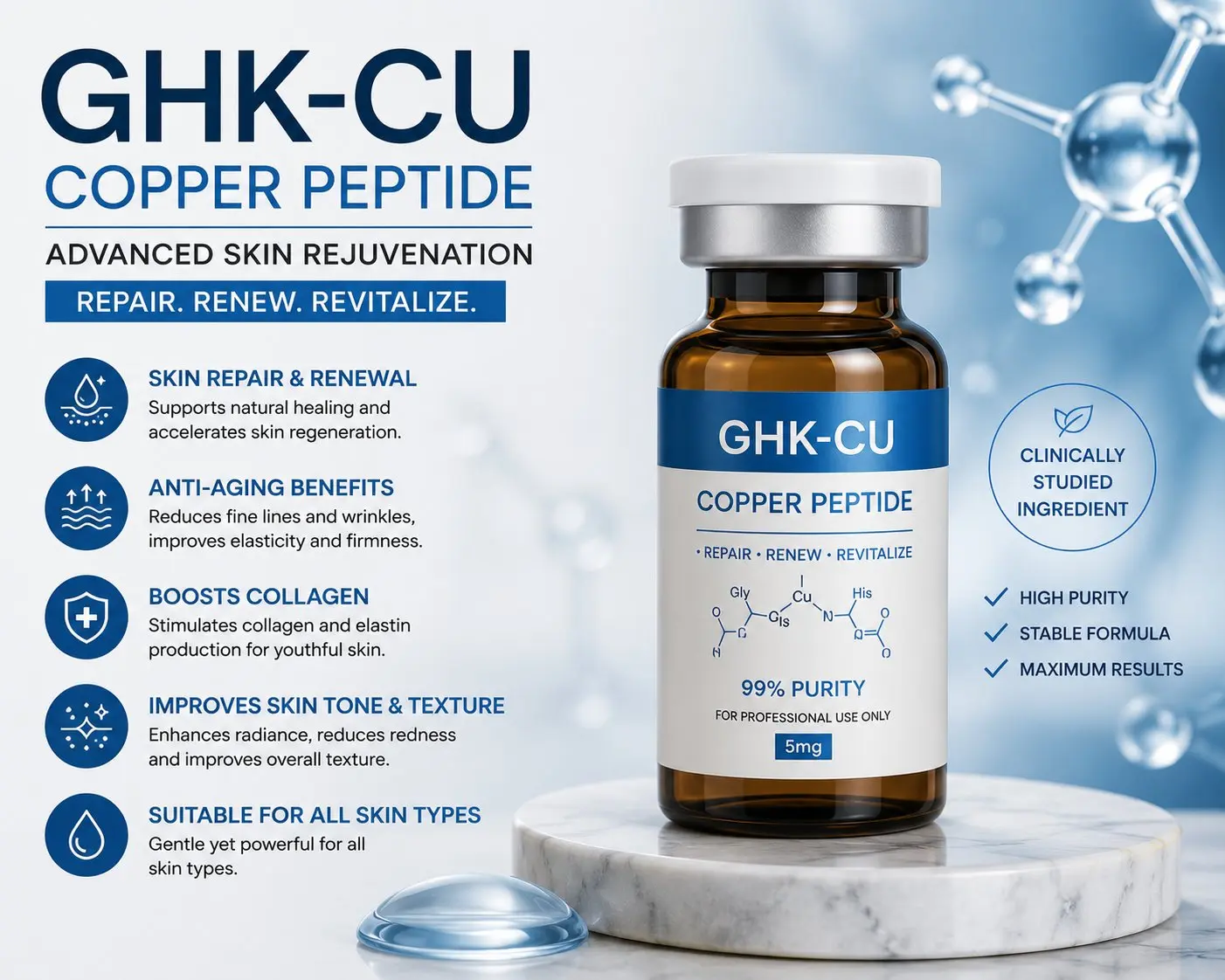
How Retinol Works
Retinol (Vitamin A) is converted in skin cells to retinoic acid (tretinoin), which binds to nuclear retinoic acid receptors (RAR and RXR). This binding changes gene expression across multiple pathways:
- Stimulates collagen gene expression — upregulates production of Type I and Type III collagen
- Inhibits matrix metalloproteinases (MMPs) — enzymes that break down existing collagen
- Accelerates keratinocyte cell turnover — speeds up skin renewal, removing damaged surface cells
- Reduces melanin transfer — addresses hyperpigmentation
- Normalises follicular epithelium — effective for acne-prone skin
The result: measurably thicker skin, reduced fine lines, improved texture and reduced hyperpigmentation with consistent long-term use. The evidence is genuinely strong — particularly for prescription-strength tretinoin, which is stronger than OTC retinol.
The problem: the accelerated cell turnover and retinoic acid receptor signaling cause irritation in a significant proportion of users. Redness, dryness, peeling and sensitivity are common during the adjustment period and persist at higher strengths. For users with sensitive, rosacea-prone or reactive skin, retinol may never be tolerable at the doses required for significant anti-aging effects.
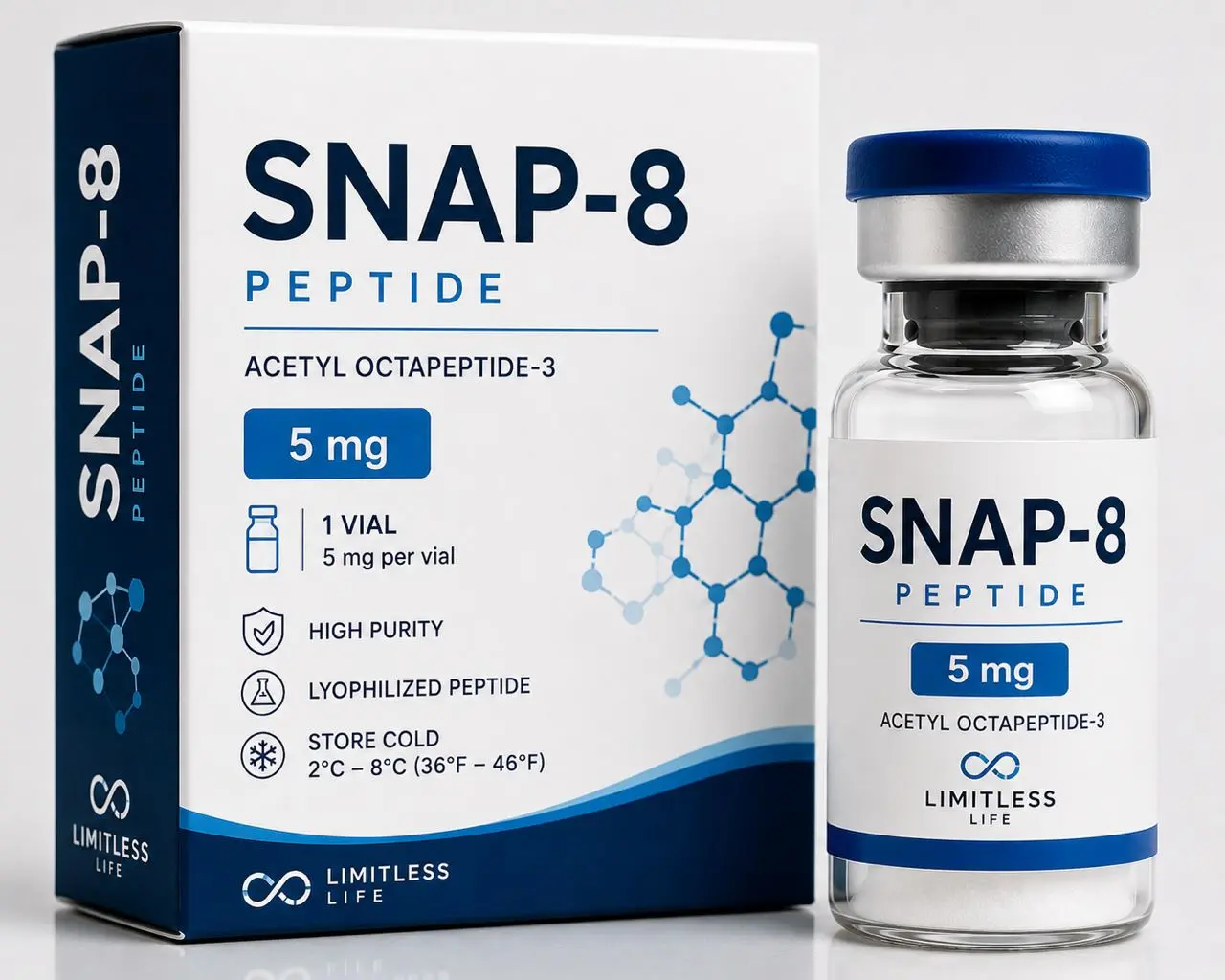
How GHK-CU Copper Peptide Works
GHK-CU (Glycyl-L-Histidyl-L-Lysine Copper) is a naturally occurring tripeptide-copper complex found in human plasma, saliva and urine. First isolated by Loren Pickart in the 1970s, it has since been shown to have a remarkably broad range of biological activities that are particularly relevant to skin aging.
The mechanism differs fundamentally from retinol:
- Directly activates collagen synthesis genes — promotes production of Type I, III and IV collagen
- Stimulates elastin synthesis — addresses skin laxity that retinol has limited effects on
- Activates tissue remodelling enzymes (MMP-2 and MMP-9) — this is unique: GHK-CU promotes the controlled breakdown of damaged, cross-linked collagen while simultaneously stimulating new collagen production. This "remodelling" produces higher-quality structural matrix than simple collagen induction alone
- Regulates over 4,000 human genes according to microarray analysis — the breadth of GHK-CU's gene regulatory effects is extraordinary and not fully understood
- Stimulates blood vessel formation (angiogenesis) in skin — improving nutrient delivery and skin vitality
- Reduces skin inflammation — anti-inflammatory effects that retinol does not produce
- Promotes skin stem cell proliferation
- Antioxidant effect through copper ion chemistry
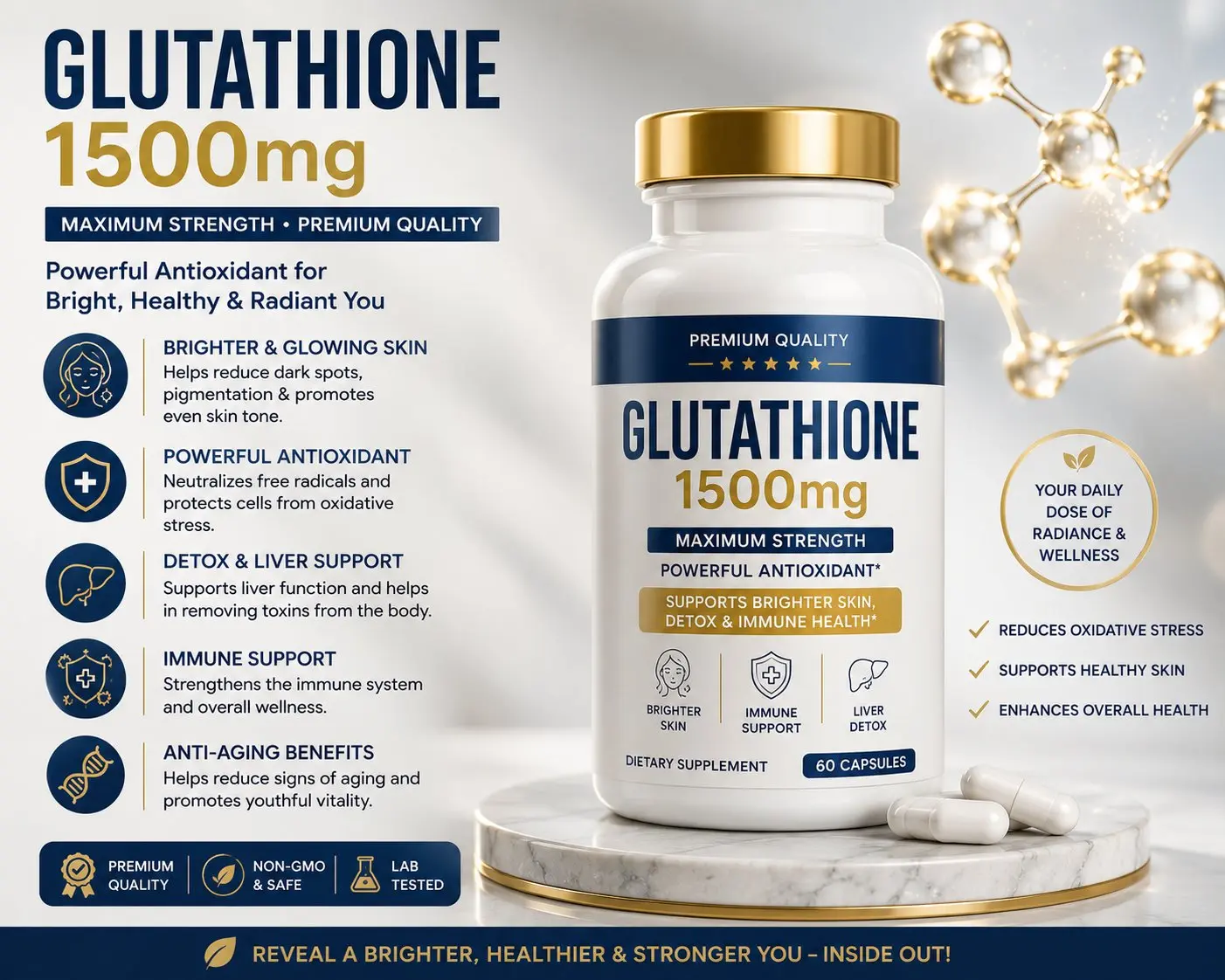
GHK-CU vs Retinol — Head to Head
| Factor | GHK-CU Copper Peptide | Retinol |
|---|---|---|
| Collagen stimulation | ✅ Direct collagen gene activation | ✅ Via retinoic acid receptor signaling |
| Elastin stimulation | ✅ Strongly promotes elastin | ⚠️ Limited elastin effect |
| Collagen remodelling quality | ✅ Promotes both breakdown of damaged collagen AND new synthesis | ❌ Primarily synthesis — not remodelling |
| Anti-inflammatory | ✅ Significant anti-inflammatory effect | ❌ Can cause inflammation (irritation) |
| Skin sensitivity | ✅ Well tolerated — minimal irritation | ⚠️ Significant irritation common |
| Cell turnover acceleration | ❌ Not primary mechanism | ✅ Strong keratinocyte turnover |
| Hyperpigmentation | ⚠️ Moderate effect | ✅ Strong effect on melanin transfer |
| Acne treatment | ⚠️ Anti-inflammatory but not comedolytic | ✅ Effective for acne |
| Redness/rosacea suitability | ✅ Suitable — anti-inflammatory | ❌ Often worsens redness |
| Can it be used with other actives? | ✅ Compatible with most — reduces others' irritation | ⚠️ Interacts with some actives |
| Research depth | Strong — multiple human studies | Extensive — 40+ years of research |
| Price (PEPTARA) | From $30 per vial | N/A — retinol is OTC |
🏆 Verdict: Retinol is better for acne and hyperpigmentation. GHK-CU is better for wrinkles, skin quality, sensitive skin and elasticity. For a comprehensive anti-aging protocol, they are not competitors — they are complements.
The Case for Combining Both
The most sophisticated research-based skin protocols use both GHK-CU and retinol — not as competitors but as a complementary system. The anti-inflammatory properties of GHK-CU can significantly reduce retinol's irritation side effects, allowing higher effective retinol concentrations to be used with better tolerance. Meanwhile, their collagen pathways are distinct enough that the combination produces additive effects.
A typical combined research approach:
- Morning: GHK-CU application (day use is safe — no photosensitivity)
- Evening: Retinol application followed by GHK-CU to buffer irritation
- Result: Collagen stimulation through both pathways + accelerated cell turnover + reduced irritation
When to Choose GHK-CU Over Retinol
- Sensitive, reactive or rosacea-prone skin — GHK-CU produces meaningful anti-aging effects without the irritation that makes retinol unusable for many skin types
- Primary concern is skin laxity and elasticity loss — GHK-CU's elastin stimulation addresses this more directly than retinol
- Signs of accelerated photoaging with significant collagen loss — the tissue remodelling mechanism of GHK-CU may produce better results for established collagen damage than retinol's primarily inductive approach
- Already using prescription tretinoin — adding GHK-CU enhances outcomes and reduces irritation without the redundancy of adding OTC retinol to a prescription retinoid
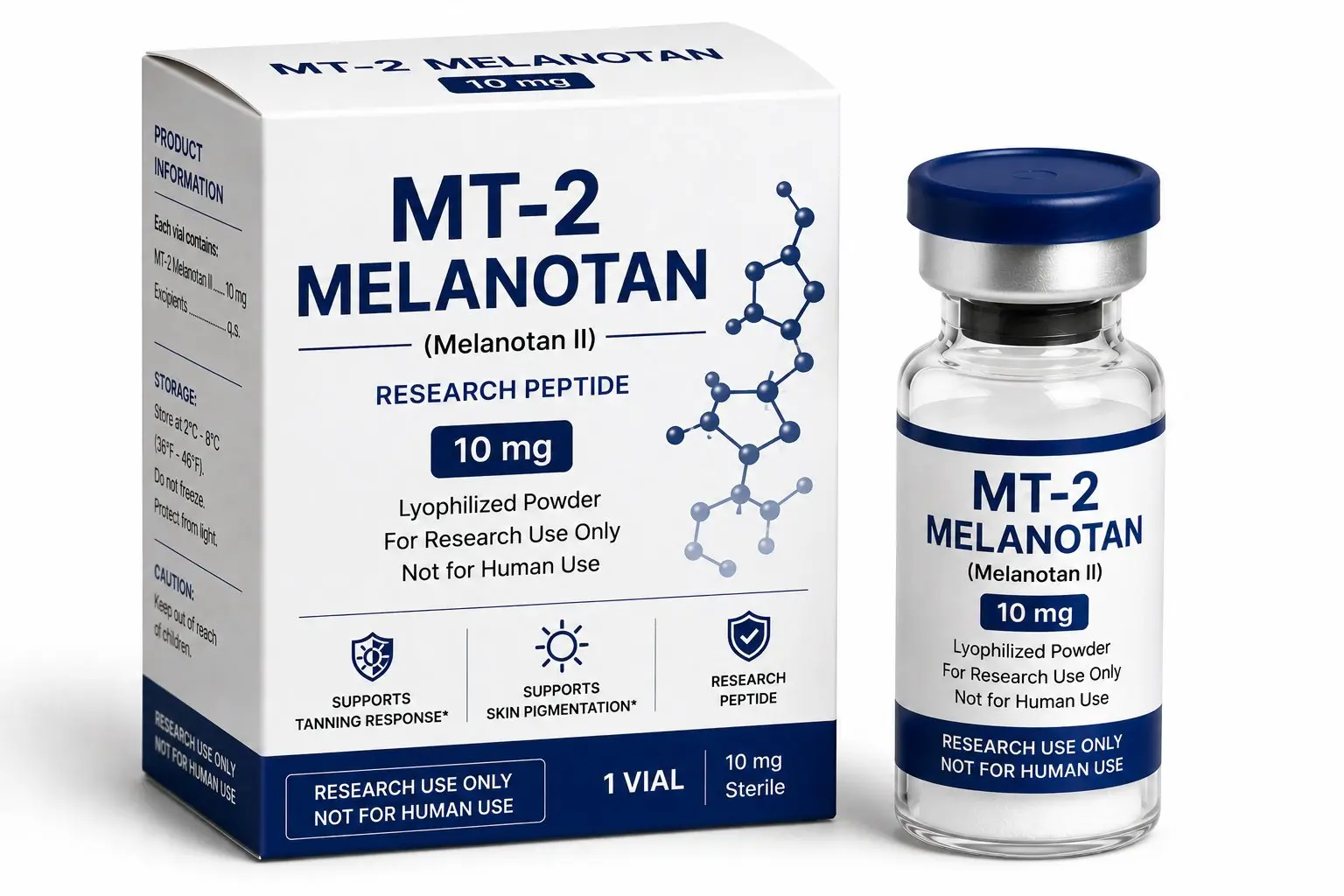
The Complete Skin Peptide Protocol — 2026
For researchers building a comprehensive skin improvement protocol, the optimal approach addresses multiple mechanisms simultaneously:
- GHK-CU → Collagen + elastin synthesis, tissue remodelling, anti-inflammatory
- Snap-8 → Expression line reduction through SNARE inhibition
- Glutathione → Oxidative stress protection, skin tone and brightness
- Epitalon → Cellular longevity, telomere support, sleep quality (which directly affects skin repair)
Shop Skin Peptides — GHK-CU, Snap-8, Glutathione
Complete research-grade skin peptide range. All 99%+ purity, COA with every order, cold-chain shipped from North Carolina by PEPTARA Health.
Browse Skin Peptides →