How Do Peptides Work? The Complete Science Guide 2026
Peptides are one of the most versatile and precisely targeted classes of biological compounds. Understanding how they work — at the molecular level — is the key to understanding why different peptides produce such dramatically different effects and why some are more suitable for certain applications than others.
This guide covers the complete science from amino acid chains to receptor binding to downstream cellular effects — explained clearly without unnecessary complexity.
🔬 Core Concept: Peptides work like biological keys. Each peptide has a specific shape that fits into a specific receptor — like a key into a lock. When the key turns the lock, it triggers a cascade of intracellular events that produce the peptide's biological effect. Different peptides have different keys — which is why Semaglutide suppresses appetite while BPC-157 heals tendons.
What Is a Peptide? The Basic Chemistry
Proteins and peptides are both made of amino acids — the 20 building blocks that all living things use to construct biological molecules. The difference is length:
- Dipeptide: 2 amino acids
- Oligopeptide: 3–20 amino acids
- Polypeptide: 20–50 amino acids
- Protein: 50+ amino acids (folds into complex 3D structure)
Research peptides typically fall in the oligopeptide to polypeptide range. BPC-157 is 15 amino acids. Semaglutide is a modified 31-amino acid GLP-1 analog. GHK-CU is just 3 amino acids plus a copper ion. Their small size is actually a significant advantage — it makes their receptor interactions more predictable and their effects more targeted than large proteins.
The Receptor Binding Mechanism — How Peptides "Work"
Most peptides work by binding to specific receptors on the surface of target cells. These receptors are proteins embedded in the cell membrane with a binding site precisely shaped to accept a specific peptide. When the correct peptide docks with its receptor, it changes the receptor's shape — which activates intracellular signaling proteins, which in turn trigger specific cellular responses.
Step 1: Peptide Reaches Target Tissue
After administration (injection or sometimes oral), the peptide enters circulation or diffuses through tissue. Its small size allows it to travel and interact with receptors in a way that large proteins cannot.
Step 2: Receptor Recognition and Binding
The peptide encounters cells bearing its target receptor. The peptide's shape matches the receptor's binding site — like a key fitting a lock. This binding is highly specific: Semaglutide binds GLP-1 receptors with high affinity but has no meaningful affinity for growth hormone receptors. This specificity is what makes peptides so targeted in their effects.
Step 3: Intracellular Signaling Cascade
Receptor binding activates G-proteins, kinases or other intracellular signaling proteins (depending on receptor type). These trigger a cascade of molecular events inside the cell — changes in gene expression, enzyme activation, protein production or cellular structural changes.
Step 4: Biological Effect
The signaling cascade produces the observable effect — appetite suppression (GLP-1 receptors), collagen production (GHK-CU), growth hormone release (GHRH receptors), tissue healing (BPC-157 mechanism) or immune modulation (Thymosin Alpha-1).
The 6 Main Peptide Mechanisms
1. Hormone Mimicry — GLP-1 Peptides
Some peptides mimic naturally occurring hormones — they bind the same receptor as the hormone but with modifications that make them more stable (longer half-life) or more potent. Semaglutide mimics GLP-1 (glucagon-like peptide-1), a gut hormone released after eating that signals fullness. Natural GLP-1 has a half-life of minutes — Semaglutide's modifications extend this to days, producing sustained appetite suppression.
2. Growth Hormone Receptor Upregulation — BPC-157
BPC-157 does not directly produce growth hormone or inject growth factors. Instead, it upregulates the expression of growth hormone receptors in damaged tissue — making local cells more responsive to the growth hormone already circulating in the blood. The result: enhanced local healing without raising systemic growth hormone levels.
3. Pituitary Stimulation — GH Peptides
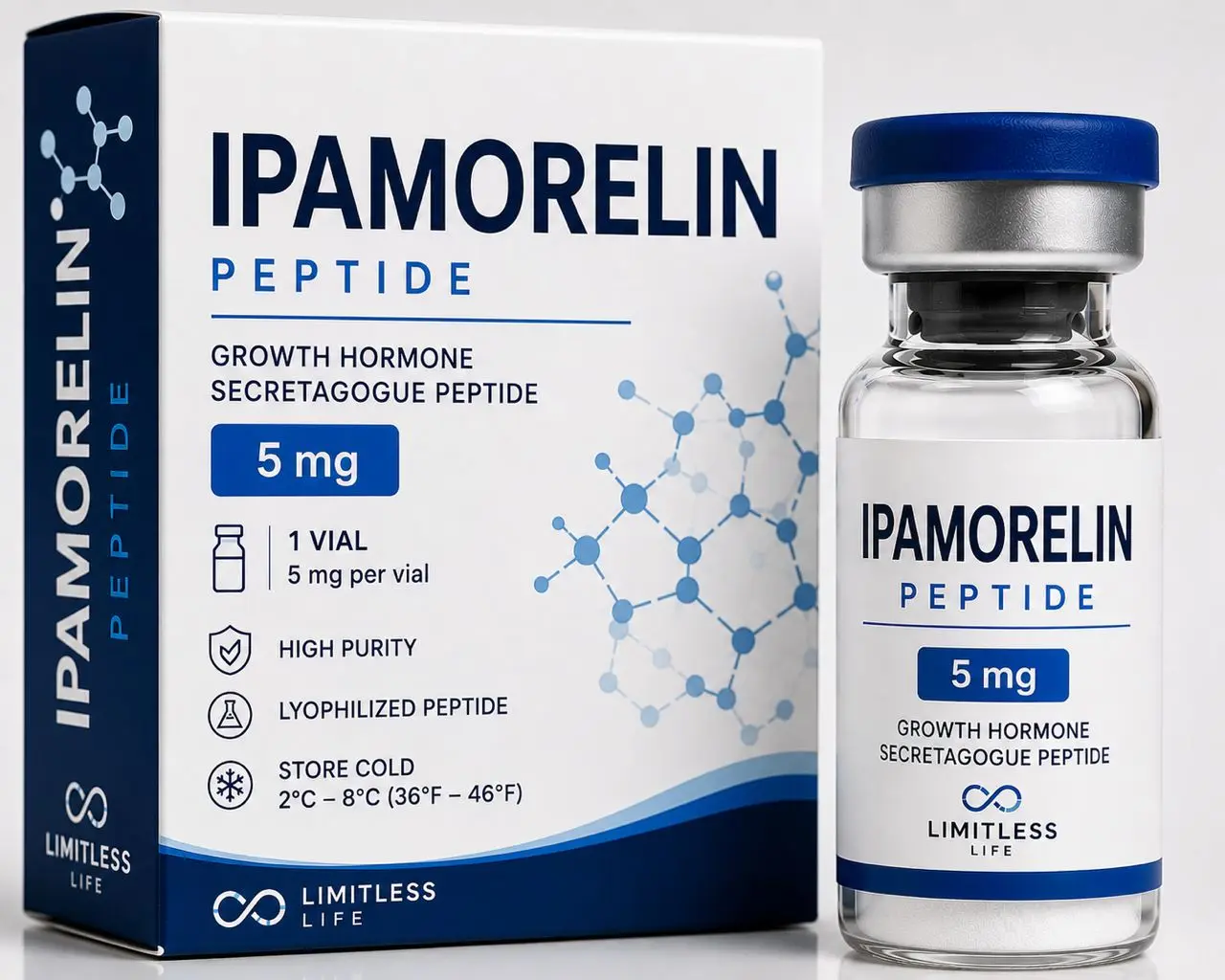
GHRHs (growth hormone releasing hormones) like CJC-1295 and Sermorelin bind receptors on the pituitary gland — the master endocrine gland — triggering it to release stored growth hormone. GHRPs (growth hormone releasing peptides) like Ipamorelin work through ghrelin receptors on the same pituitary cells through a separate mechanism, producing a synergistic GH pulse when combined.
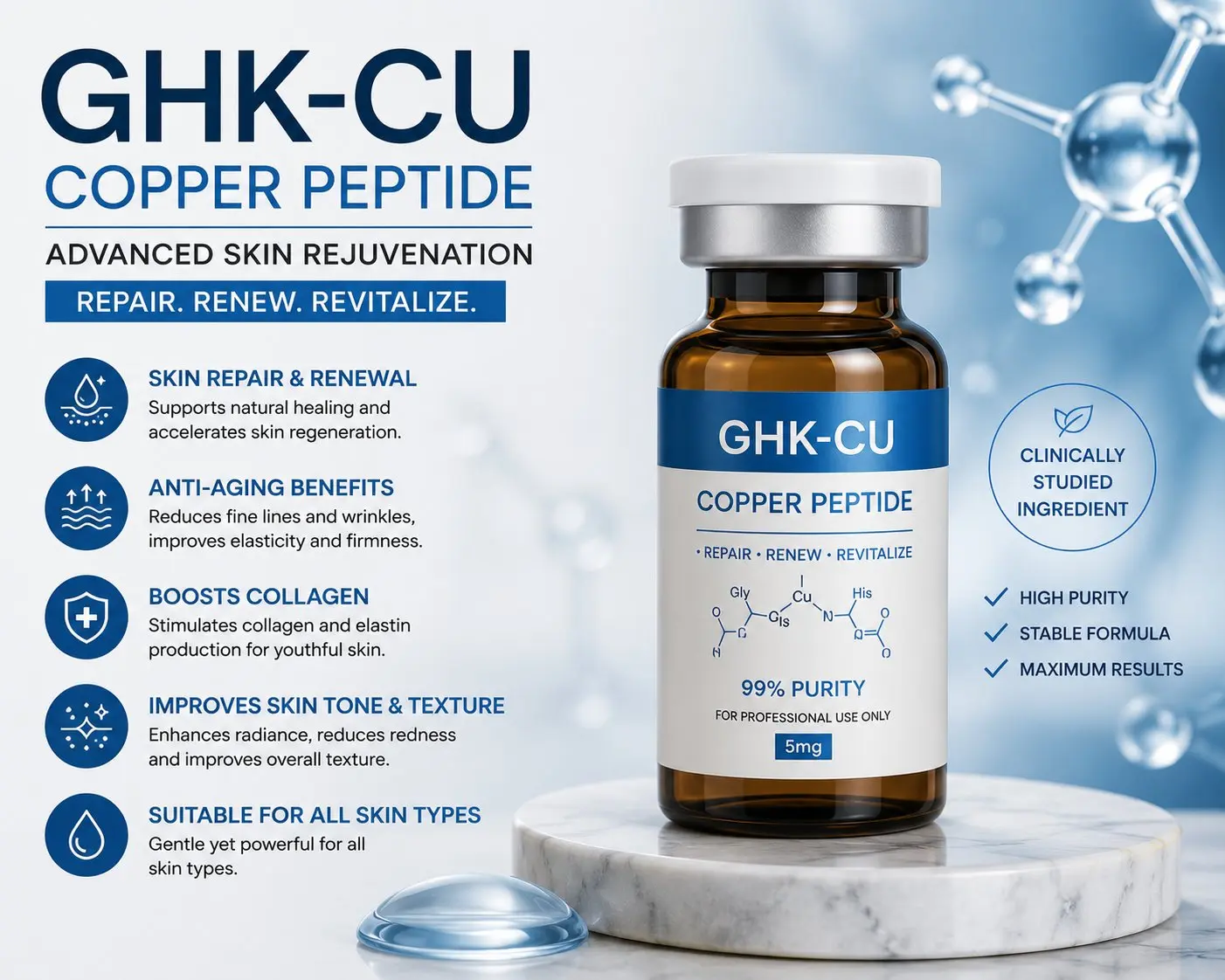
4. Gene Regulation — GHK-CU
GHK-CU copper peptide works through a uniquely broad mechanism — it binds to cell surface proteins and modulates the expression of over 4,000 human genes according to microarray research. Rather than activating a single receptor pathway, it functions as a broad gene expression regulator, upregulating repair and anti-aging genes while downregulating inflammatory and disease-associated genes.
5. Telomerase Activation — Epitalon
Epitalon works at the level of gene transcription, specifically reactivating the expression of telomerase — the enzyme responsible for rebuilding telomeres at chromosome ends. This is one of the most upstream mechanisms of any peptide, operating at the level of the fundamental cell division machinery.
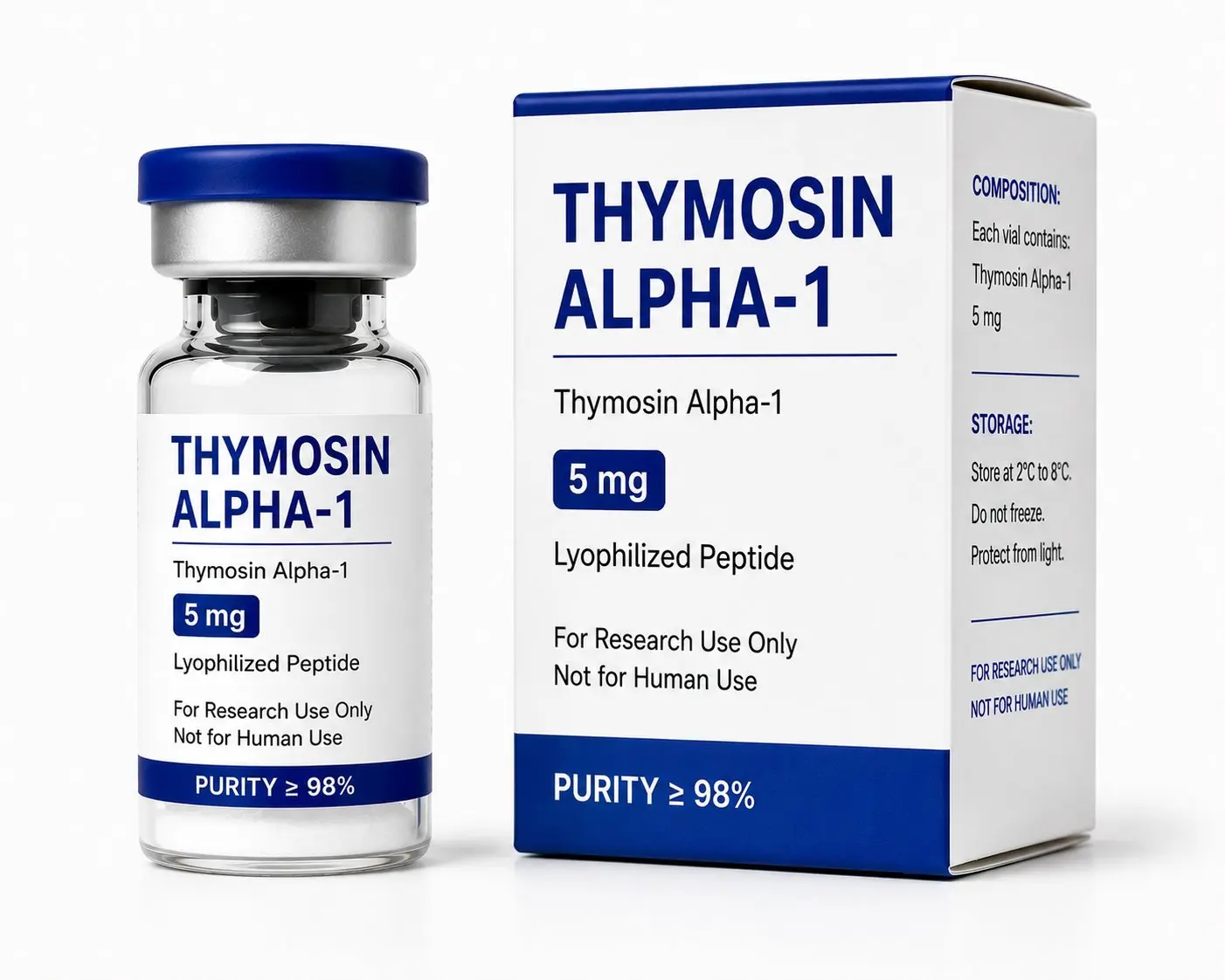
6. Immune System Modulation — Thymosin Alpha-1
Thymosin Alpha-1 binds Toll-like receptors (TLRs) and other immune cell receptors, modulating the activity of T-lymphocytes, natural killer cells and dendritic cells. It can both enhance appropriate immune responses (antiviral, antibacterial) and suppress inappropriate ones (autoimmune, chronic inflammatory) — making it one of the most versatile immune-modulatory compounds in the research space.
Why Peptides Degrade and Must Be Stored Correctly
Because peptides are biological molecules — chains of amino acids held together by peptide bonds — they are subject to the same forces that degrade all biological structures: heat, enzymes, oxidation and pH extremes. Proteases (enzymes that cut proteins and peptides) are present throughout the body and environment. This is why:
- Peptides are stored lyophilized (freeze-dried) — removing water prevents hydrolysis
- Reconstituted peptides must be refrigerated — slowing enzymatic and chemical degradation
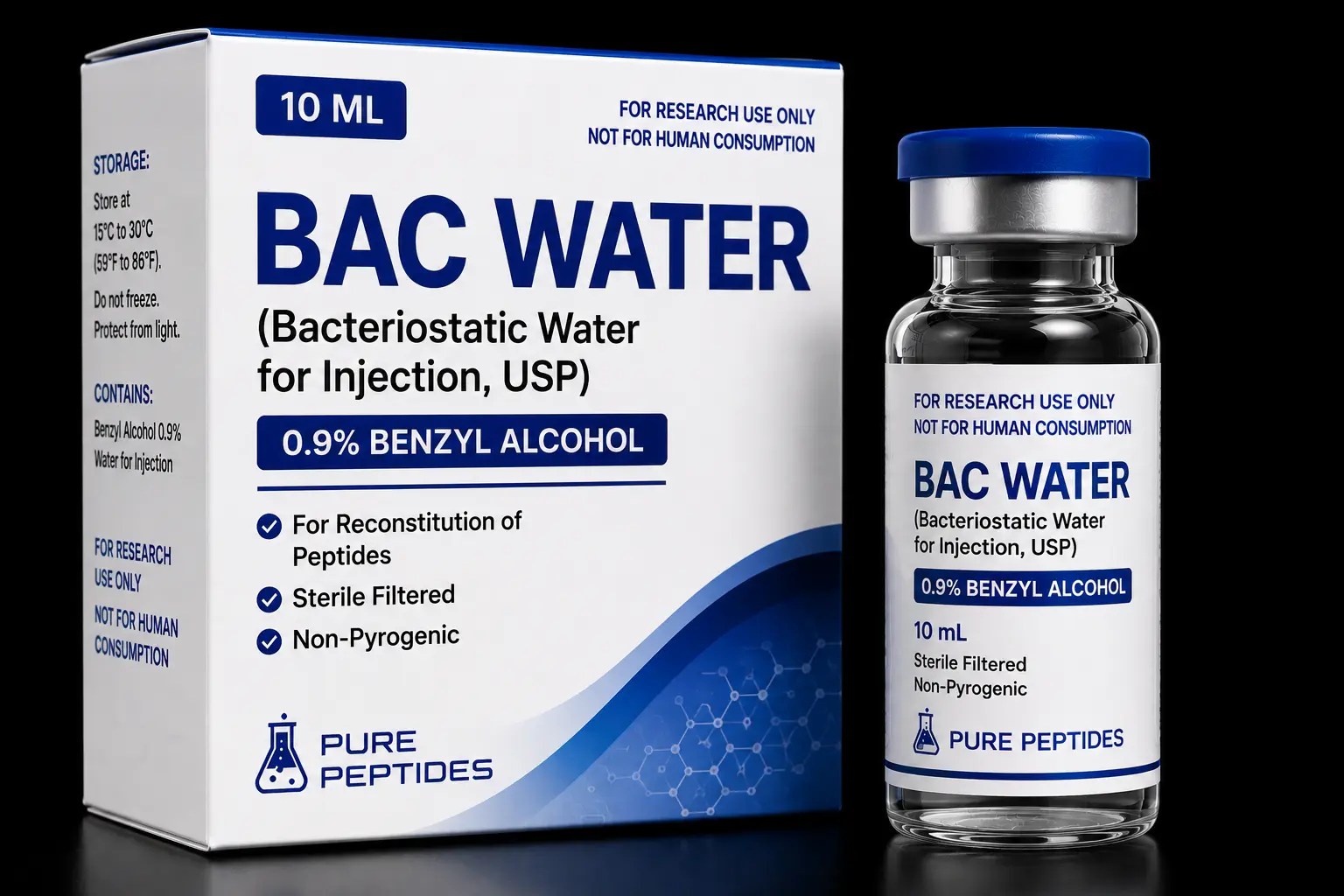
- Bacteriostatic water (0.9% benzyl alcohol) is used — preventing bacterial growth that produces proteases
- Some peptides cannot be taken orally (they are digested in the gut before reaching the bloodstream)
Why Some Peptides Work Orally and Most Do Not
The gastrointestinal tract is lined with proteolytic enzymes specifically designed to break proteins and peptides into individual amino acids for absorption. This means most peptides, if swallowed, are simply broken down into amino acid building blocks before they can reach target receptors in the bloodstream.
BPC-157 is a notable exception — it shows efficacy when administered orally for gut applications because it acts directly on intestinal tissue before being fully digested. Its resistance to acid and enzymatic degradation (partly why it was originally found in gastric juice) gives it unusual oral stability compared to other peptides.
Browse Research Peptides by Category
56+ compounds across weight loss, skin, anti-aging, performance, hormonal and neuro/sleep. All 99%+ purity, COA included.
Browse All Peptides →