IGF-1 LR3 — The Complete Anabolic Research Peptide Guide 2026
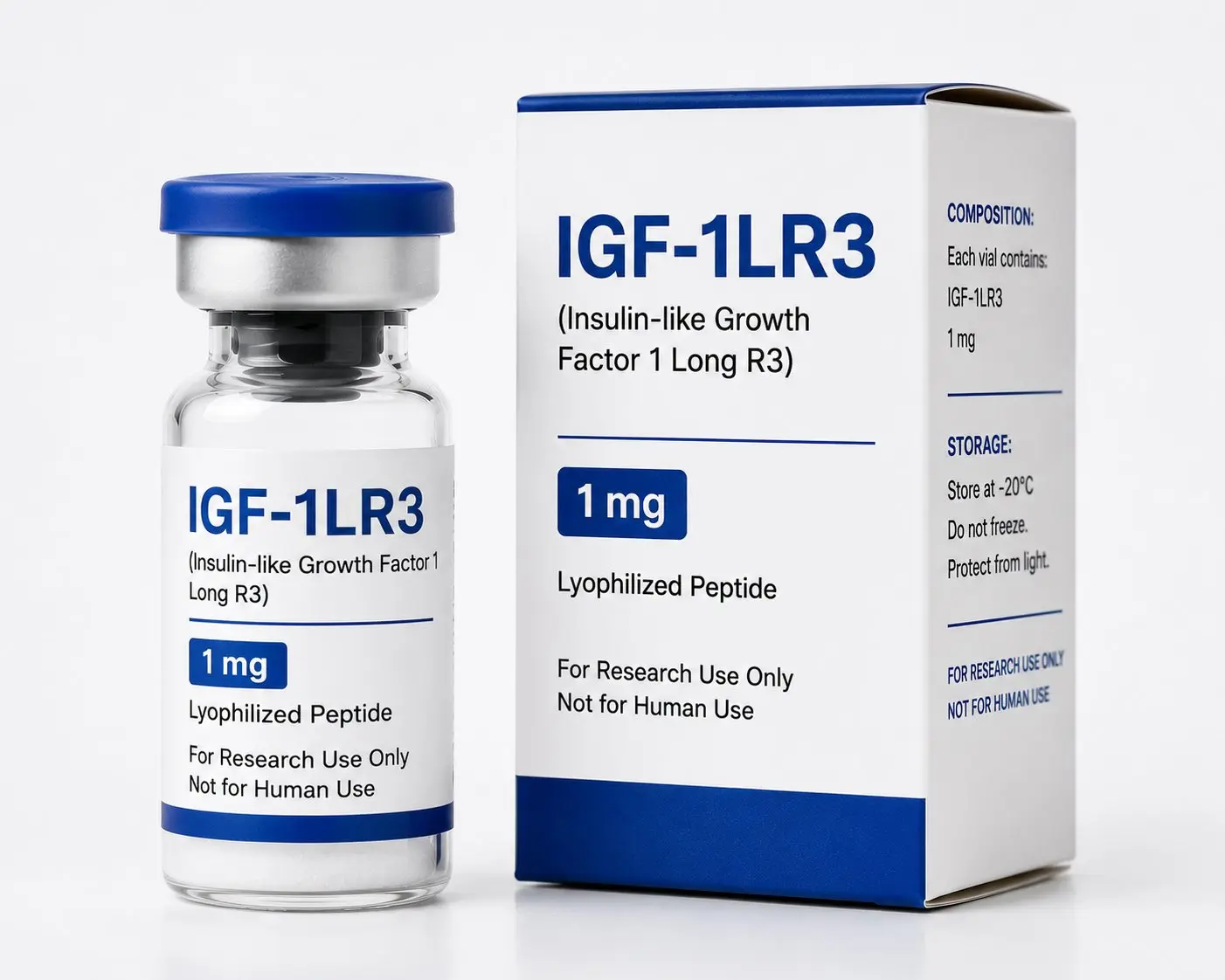
IGF-1 LR3 (Insulin-Like Growth Factor 1 Long R3) is widely considered the most potent anabolic peptide available in the research space. While growth hormone peptides like Ipamorelin and CJC-1295 stimulate the release of growth hormone — which in turn causes the liver to produce IGF-1 — IGF-1 LR3 bypasses this entire signaling cascade and delivers the active anabolic hormone directly. The results in research settings are dramatically faster and more significant than any upstream GH secretagogue.
💪 Key Mechanism: IGF-1 LR3 directly activates IGF-1 receptors on muscle cells, promoting satellite cell proliferation and differentiation — which means genuine new muscle fiber formation, not just existing fiber hypertrophy. This is what separates it from all other performance peptides.
IGF-1 LR3 vs Standard IGF-1 — What's the Difference?
Standard IGF-1 has a very short half-life — approximately 10–20 minutes in plasma. IGF-1 binds rapidly to IGF binding proteins (IGFBPs) which inactivate it. This means that even when IGF-1 levels are elevated, the active window is brief and the anabolic signal is limited.
IGF-1 LR3 was engineered to overcome this limitation. The "Long R3" modification involves adding a 13 amino acid extension at the N-terminus and substituting arginine (R) for glutamic acid (E) at position 3. These modifications:
- Reduce binding affinity to IGFBPs by approximately 1000-fold — meaning IGF-1 LR3 remains unbound and active in circulation dramatically longer
- Extend the half-life to approximately 20–30 hours versus 10–20 minutes for standard IGF-1
- Maintain full receptor activation potency
The practical result: IGF-1 LR3 provides a sustained anabolic signal throughout the day rather than a brief pulse, which research consistently shows produces superior outcomes for muscle development.
How IGF-1 LR3 Promotes Muscle Growth
IGF-1 LR3 drives muscle growth through multiple distinct mechanisms that work simultaneously:
Satellite Cell Activation
Satellite cells are muscle stem cells that lie dormant alongside existing muscle fibers. When activated by IGF-1 signaling, they proliferate and differentiate into new muscle fibers — this is genuine hyperplasia (new fiber creation) not just hypertrophy (enlargement of existing fibers). This is what makes IGF-1 LR3 uniquely powerful: it can create actual new muscle tissue, not just expand existing muscle.
Protein Synthesis Enhancement
IGF-1 LR3 activates the mTOR pathway — the master regulator of protein synthesis in muscle cells. Elevated mTOR activity means a greater proportion of dietary protein is directed toward muscle construction rather than energy metabolism.
Anti-Catabolic Effects
IGF-1 LR3 inhibits the activity of myostatin — a protein that limits muscle growth — and reduces muscle protein breakdown. This dual effect of promoting synthesis while inhibiting breakdown creates a strongly positive nitrogen balance.
Research Protocols and Dosing
IGF-1 LR3 research protocols vary significantly in the literature. Common parameters observed in research settings:
- Dose range: 20–100mcg per administration in most research protocols
- Frequency: Once daily in most protocols; some research uses split dosing
- Duration: Most research cycles last 4–6 weeks before a break period, due to IGF receptor downregulation with sustained exposure
- Timing: Post-exercise administration has theoretical support given muscle tissue's elevated IGF receptor sensitivity following training
⚠️ Important Note on Insulin Sensitivity: IGF-1 LR3 has insulin-like activity. Research subjects with blood glucose management concerns require careful monitoring. This is a critical variable in research protocol design.
IGF-1 LR3 vs Other Performance Peptides
| Peptide | Mechanism | Onset | Best For |
|---|---|---|---|
| IGF-1 LR3 | Direct IGF-1 receptor activation | Fast (hours) | Maximum anabolic response |
| Ipamorelin + CJC | GH stimulation → IGF-1 via liver | Weeks | Body recomposition, fat loss |
| PEG MGF | Local muscle IGF-1 splice variant | Days | Localised muscle repair |
| IGF-DES | High-potency local IGF-1 analog | Hours | Site-specific anabolic response |
Stacking IGF-1 LR3 with Other Peptides
IGF-1 LR3 is frequently combined with other performance peptides in research protocols. Common combinations documented in the literature:
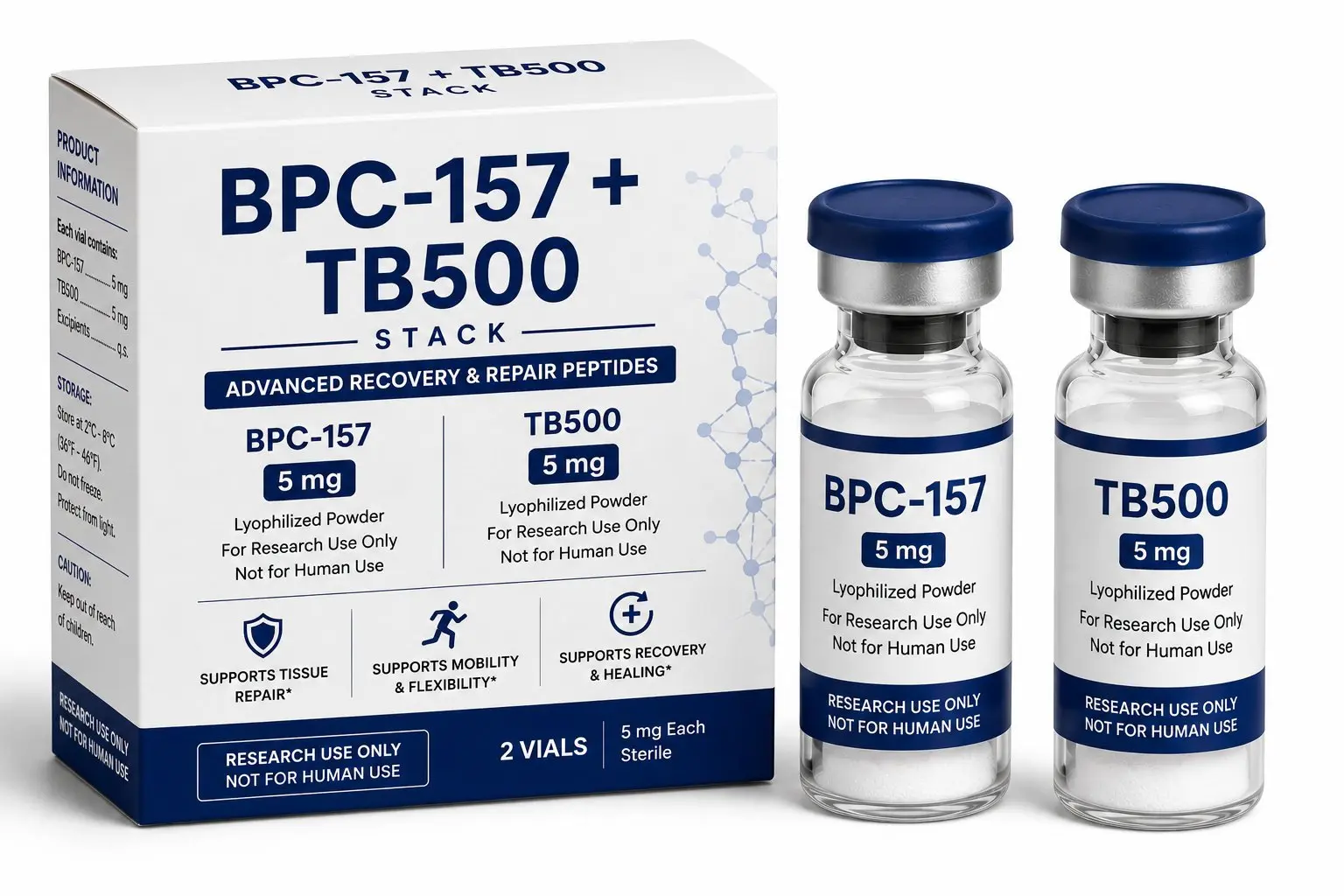
- IGF-1 LR3 + BPC-157: The anabolic signal from IGF-1 LR3 combined with BPC-157's tendon and connective tissue protection creates a comprehensive muscle-building protocol that includes injury prevention
- IGF-1 LR3 + GH Peptides (Ipamorelin/CJC): Stacking direct IGF-1 action with upstream GH stimulation for comprehensive anabolic signaling across multiple pathways
- IGF-1 LR3 + PEG MGF: Systemic anabolic coverage (IGF-1 LR3) combined with localised muscle-specific repair (PEG MGF)
Buy IGF-1 LR3 Research Peptide
From $115 per 1mg vial · 99%+ purity · COA included · Cold-chain shipping from North Carolina
Shop IGF-1 LR3 →