Why Research Peptides Have Transformed Performance Science
The landscape of performance research has fundamentally changed over the past decade. Where once the only well-researched anabolic tools were testosterone-based compounds — with all their androgenic side effects and hormonal disruption — research peptides now offer a range of mechanisms that promote muscle building, accelerate recovery and enhance performance through entirely different pathways: growth hormone signaling, IGF-1 activation, anti-inflammatory cascade management and cellular repair mechanisms.
This guide covers the most effective research peptides for bodybuilding and performance applications in 2026, with evidence-based context for each and clear guidance on how they are used in research protocols.
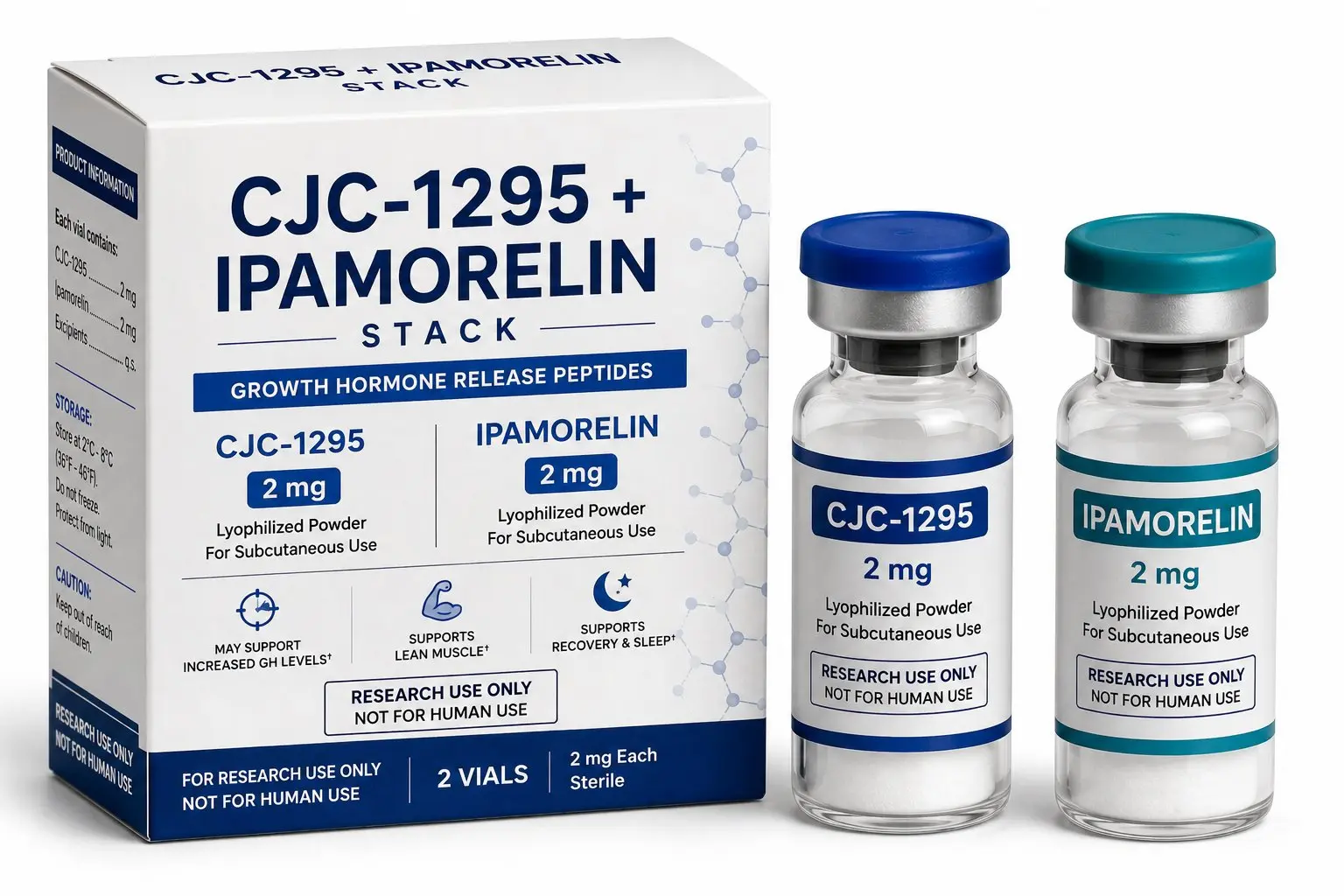
Category 1: Growth Hormone Peptides — The Foundation Stack
Growth hormone is the master regulator of body composition. It drives fat lipolysis (fat burning), promotes muscle protein synthesis, accelerates recovery and has significant effects on connective tissue and bone. The challenge: natural GH secretion declines significantly after age 25, and the pulsatile pattern of natural GH release is difficult to replicate therapeutically. GH peptides solve this.
CJC-1295 No DAC + Ipamorelin — The Essential Stack
This combination is the starting point for virtually every serious GH peptide research protocol. CJC-1295 No DAC (a GHRH analog) signals the pituitary to prepare for GH release. Ipamorelin (a GHRP) activates ghrelin receptors to trigger the actual GH pulse. Together they produce synergistic GH pulses that are 2–10x larger than either alone, while maintaining the natural pulsatile pattern that minimises receptor desensitisation.
Research outcomes documented in the literature:
- Significant body composition improvement (fat loss + lean mass gain) at 12+ weeks
- Enhanced deep sleep quality — typically the first effect noticed, within 1–3 weeks
- Accelerated recovery between training sessions
- Improved skin quality and collagen density
- Joint and connective tissue improvements from elevated IGF-1
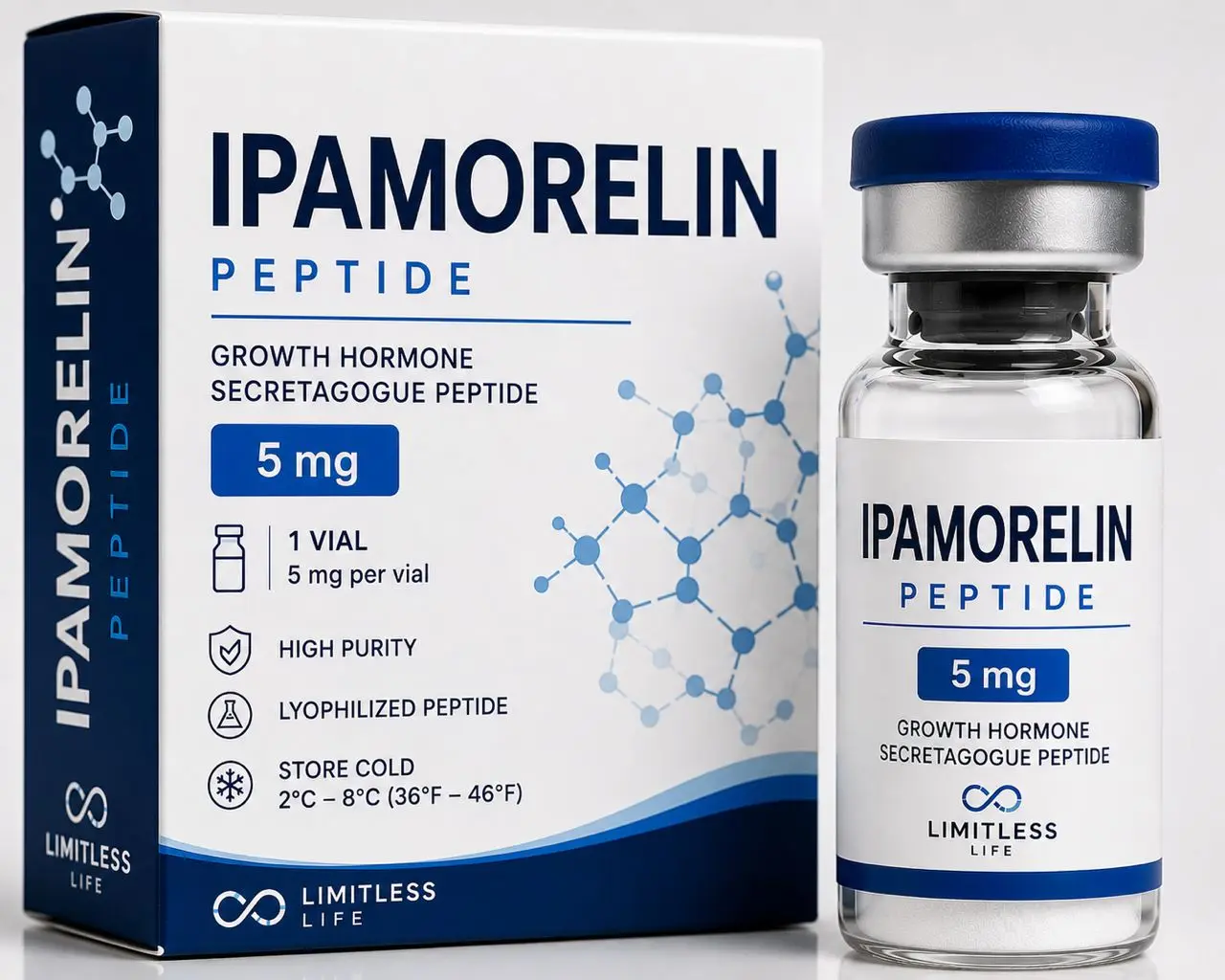
GHRP-2 and GHRP-6 — More Aggressive GH Release
GHRP-2 and GHRP-6 are older generation GHRPs that produce larger GH pulses than Ipamorelin but are less selective — both elevate cortisol and prolactin to some degree. GHRP-6 is particularly notable for its appetite-stimulating effect (useful for subjects in a building phase who struggle with caloric intake). GHRP-2 produces the largest GH pulse of the readily available GHRPs.
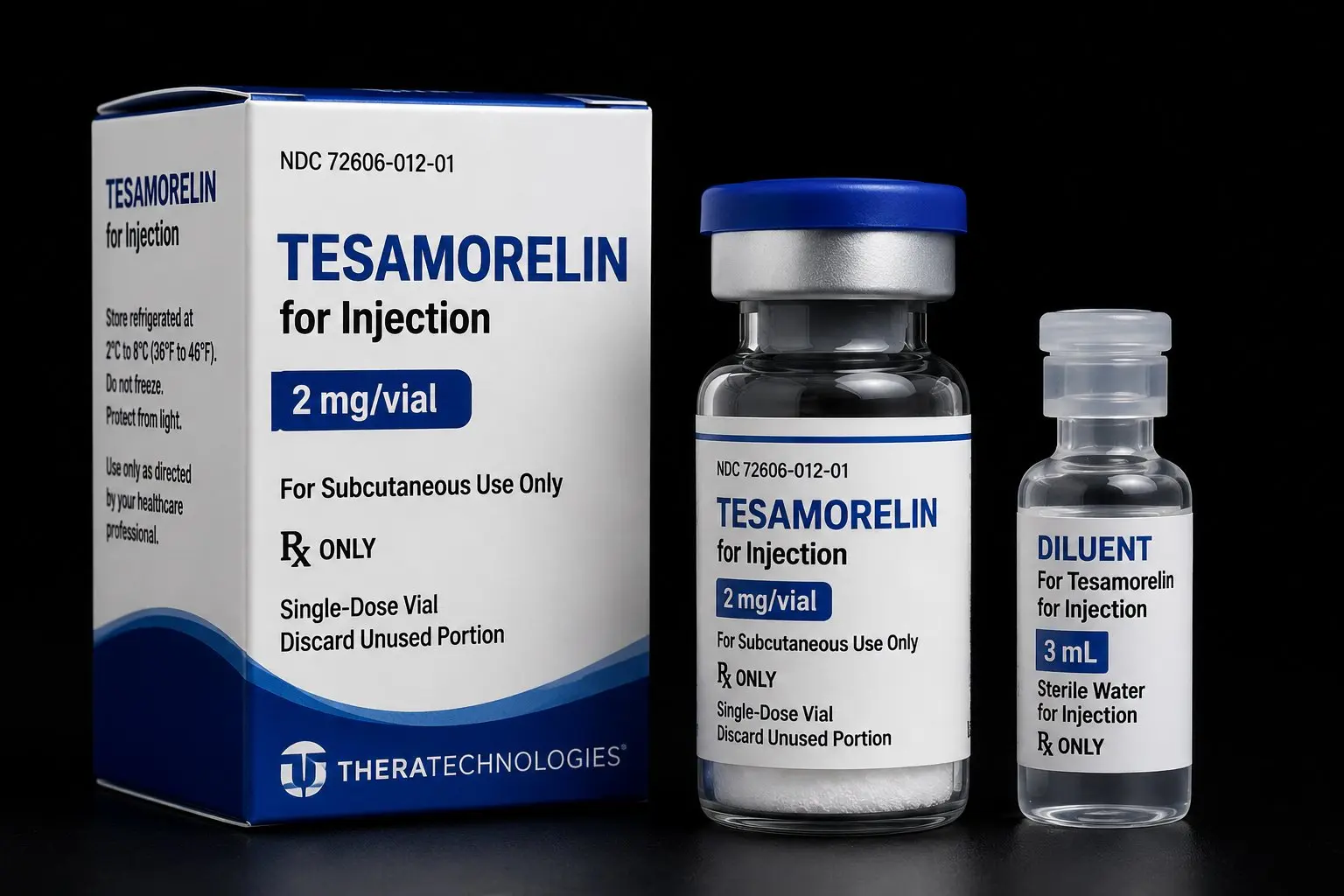
Tesamorelin — The Visceral Fat Specialist
Tesamorelin is a GHRH analog with FDA approval for HIV-related lipodystrophy — one of the few peptides to achieve this distinction. Its mechanism preferentially targets visceral adipose tissue (abdominal fat around organs), making it uniquely valuable for body recomposition in subjects with stubborn abdominal fat. Many researchers add Tesamorelin to their GH stack specifically for this targeted fat loss effect.
Category 2: Direct Anabolic Peptides
IGF-1 LR3 — The Most Potent Anabolic Peptide
While GH peptides work upstream (stimulating GH → liver → IGF-1), IGF-1 LR3 delivers the final anabolic hormone directly. With a half-life of 20–30 hours versus standard IGF-1's 10–20 minutes, it provides sustained anabolic signaling throughout the day.
The unique value of IGF-1 LR3 for bodybuilding research is satellite cell activation — promoting genuine new muscle fiber formation (hyperplasia) rather than simply enlarging existing fibers (hypertrophy). This is a qualitatively different anabolic outcome that no other widely-available compound produces.
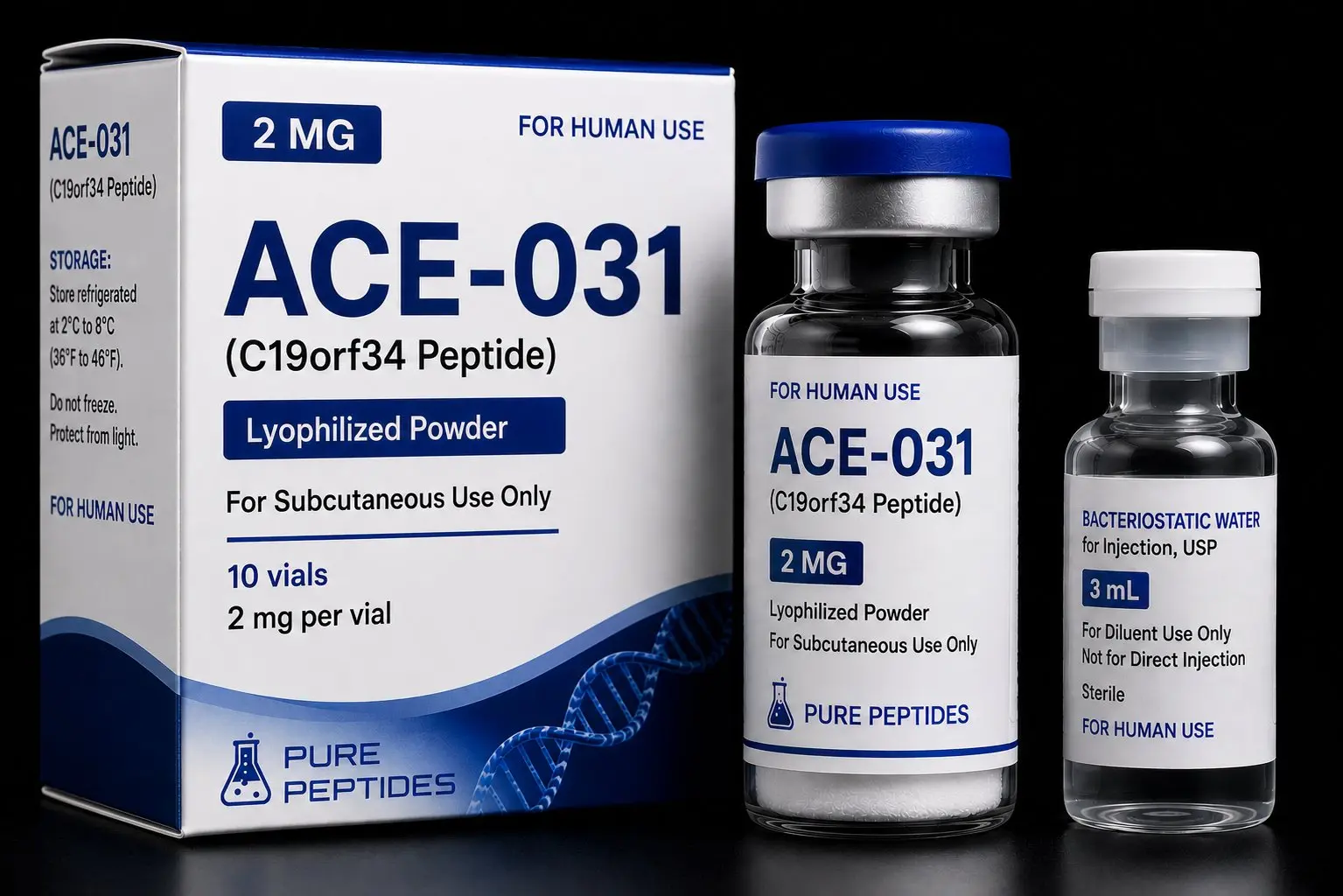
ACE-031 — Myostatin Inhibition
Myostatin is the body's natural muscle growth limiter — it actively prevents muscles from growing beyond a certain point. ACE-031 is a myostatin inhibitor that blocks this limiting signal, allowing muscle growth pathways to operate without their natural ceiling. Research models show dramatic muscle mass increases with ACE-031 — it is one of the most potent anabolic compounds in the performance research space, though its potency makes careful research design essential.
Category 3: Recovery Peptides — The Force Multiplier
Recovery capacity determines training volume capacity — which determines muscle growth rate. The peptides that optimise recovery are therefore as important as the anabolic peptides themselves for bodybuilding research.
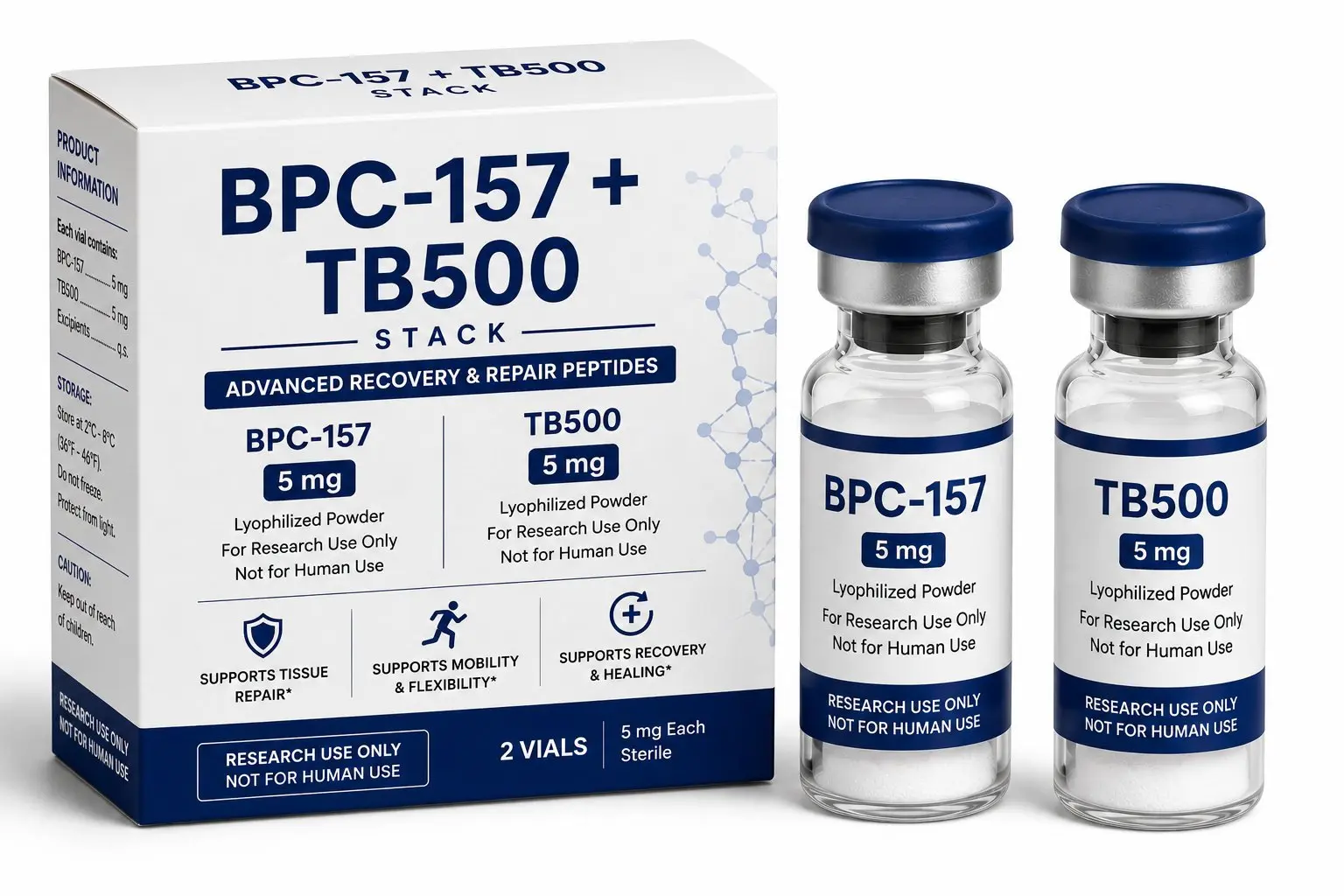
BPC-157 + TB-500 — The Recovery Foundation
The BPC-157 + TB-500 stack addresses recovery at two levels: BPC-157 provides local repair of tendons, ligaments and connective tissue — the tissues most limiting to training volume when damaged — while TB-500 provides systemic anti-inflammatory action and stem cell mobilisation for accelerated repair throughout the body. Together they allow consistently high training loads without the accumulation of connective tissue damage that ultimately limits progress.
AICAR — Endurance and Metabolic Enhancement
AICAR (5-Aminoimidazole-4-carboxamide ribonucleotide) is a compound that activates AMPK — an enzyme that switches cells into high-efficiency energy utilisation mode. In research settings, AICAR has demonstrated significant improvements in endurance capacity and metabolic efficiency. For bodybuilding contexts, it is primarily used to enhance cardiovascular conditioning and overall work capacity during cutting phases.
The Evidence-Based Bodybuilding Peptide Stack — 2026
| Phase | Primary Peptides | Support Peptides | Goal |
|---|---|---|---|
| Foundation (all phases) | CJC-1295 No DAC + Ipamorelin | BPC-157 | GH optimisation + injury prevention |
| Building phase | IGF-1 LR3, GHRP-6 (appetite) | TB-500, ACE-031 | Maximum anabolic signaling + recovery |
| Cutting phase | Tesamorelin, CJC-1295 + Ipamorelin | BPC-157, AICAR | Fat loss + muscle preservation + endurance |
| Recovery phase | BPC-157 + TB-500 | Thymosin Alpha-1 | Tissue repair + immune restoration |
What to Realistically Expect from Peptide Research Protocols
Setting realistic expectations is critical. Research peptides produce meaningful changes in body composition and performance — but they work through physiological mechanisms, not pharmacological override. The outcomes are more subtle, more sustainable and more health-compatible than androgenic approaches.
- Weeks 1–3: Improved sleep quality (GH peptides), reduced recovery time between sessions
- Weeks 4–8: Noticeable body composition shift — fat reduction begins, lean mass maintenance or improvement
- Weeks 8–12: Visible body recomposition, strength improvements, significantly faster recovery
- Weeks 12–24: Substantial changes in body composition, connective tissue quality improvement, sustained performance gains
Build Your Performance Stack
CJC-1295, Ipamorelin, IGF-1 LR3, BPC-157, TB-500 and more — all available from PEPTARA Health. 99%+ purity, COA included, cold-chain shipping from North Carolina.
Shop Performance Peptides →