Why Gut Health Is the Foundation of Everything
The gut is not simply a digestion organ — it is the body's largest immune organ, the source of the majority of serotonin production, a critical regulator of inflammation throughout the entire body, and the primary interface between the outside world and your internal systems. When the gut is compromised — whether by inflammation, leaky gut syndrome, dysbiosis, or structural damage from conditions like Crohn's, colitis or ulcers — the downstream effects are felt everywhere: immune dysfunction, mood disorders, chronic inflammation, skin problems, fatigue and nutrient malabsorption.
Research peptides offer some of the most promising and direct mechanisms for gut healing that science has yet identified. This guide covers the best options in 2026.
The 4 Most Researched Gut Healing Peptides
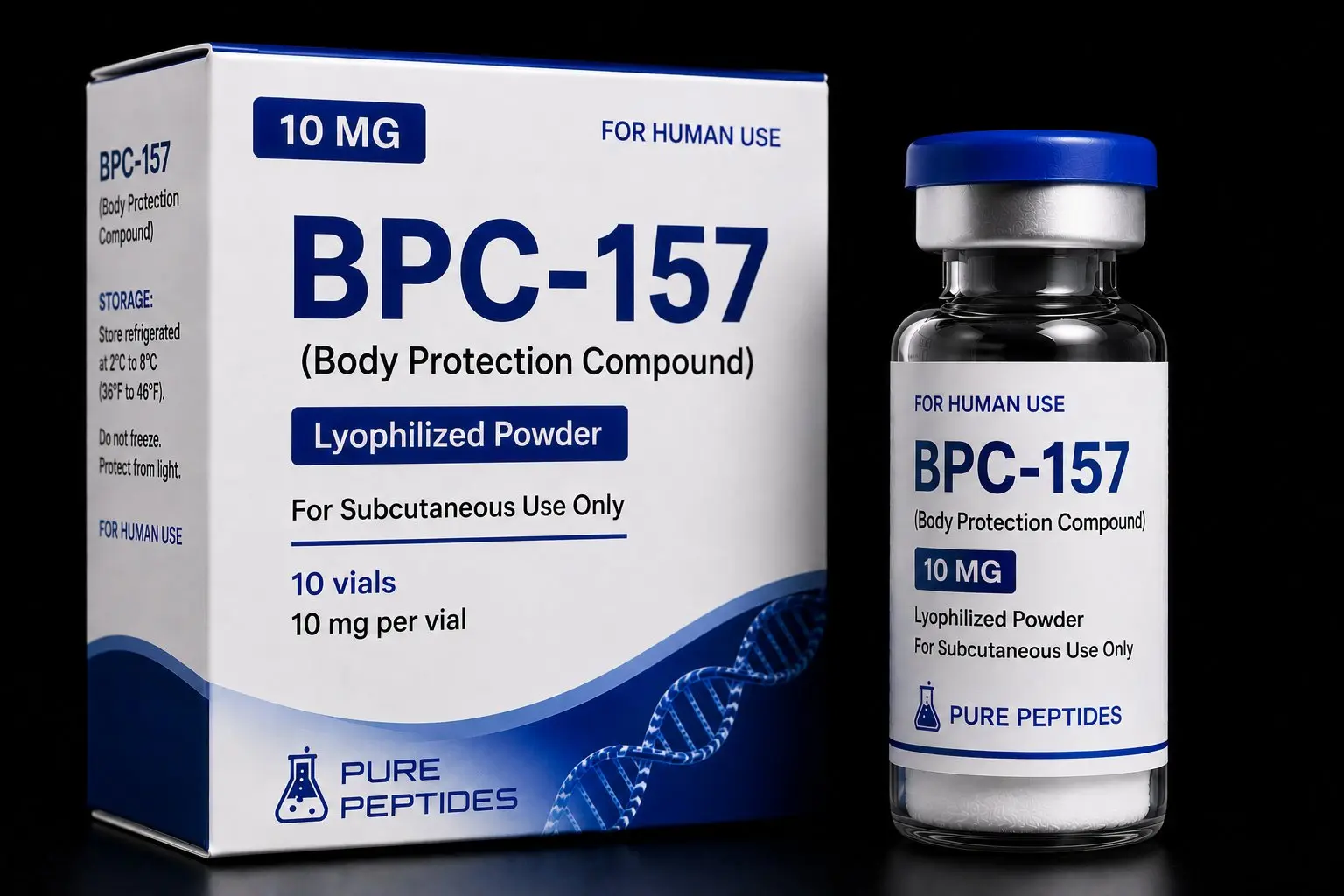
1. BPC-157 — The Primary Gut Healing Peptide
BPC-157 (Body Protective Compound 157) was originally isolated from a protein found in human gastric juice — which may explain why it has such pronounced effects on the digestive system. It is the most extensively researched peptide for gut healing, with hundreds of animal studies documenting its effects across the entire gastrointestinal tract from the oesophagus through to the colon.
What BPC-157 does in the gut:
- Heals gastric ulcers rapidly by promoting tissue regeneration in the stomach lining — research shows full ulcer healing within days in animal models at relevant doses
- Restores intestinal barrier function (tight junction integrity) in leaky gut models — reduces intestinal permeability by promoting repair of the tight junction proteins that hold intestinal cells together
- Reduces intestinal inflammation through multiple pathways — downregulates pro-inflammatory cytokines (TNF-α, IL-6) and upregulates anti-inflammatory mediators
- Promotes healing of fistulas — abnormal connections between gut sections that are notoriously difficult to heal through other means
- Demonstrates effects in inflammatory bowel disease models — both Crohn's disease and ulcerative colitis research shows gut inflammation reduction and mucosal healing
- Accelerates healing after intestinal surgery — recovery from bowel resection is significantly faster in BPC-157 research models
For gut applications specifically, BPC-157 is effective both when injected subcutaneously and when taken orally — making it uniquely practical. When taken orally, it travels through the gut lumen and acts directly on the intestinal tissue from the inside, which is particularly advantageous for lower GI conditions.
2. Thymosin Alpha-1 — Gut Immune Modulation
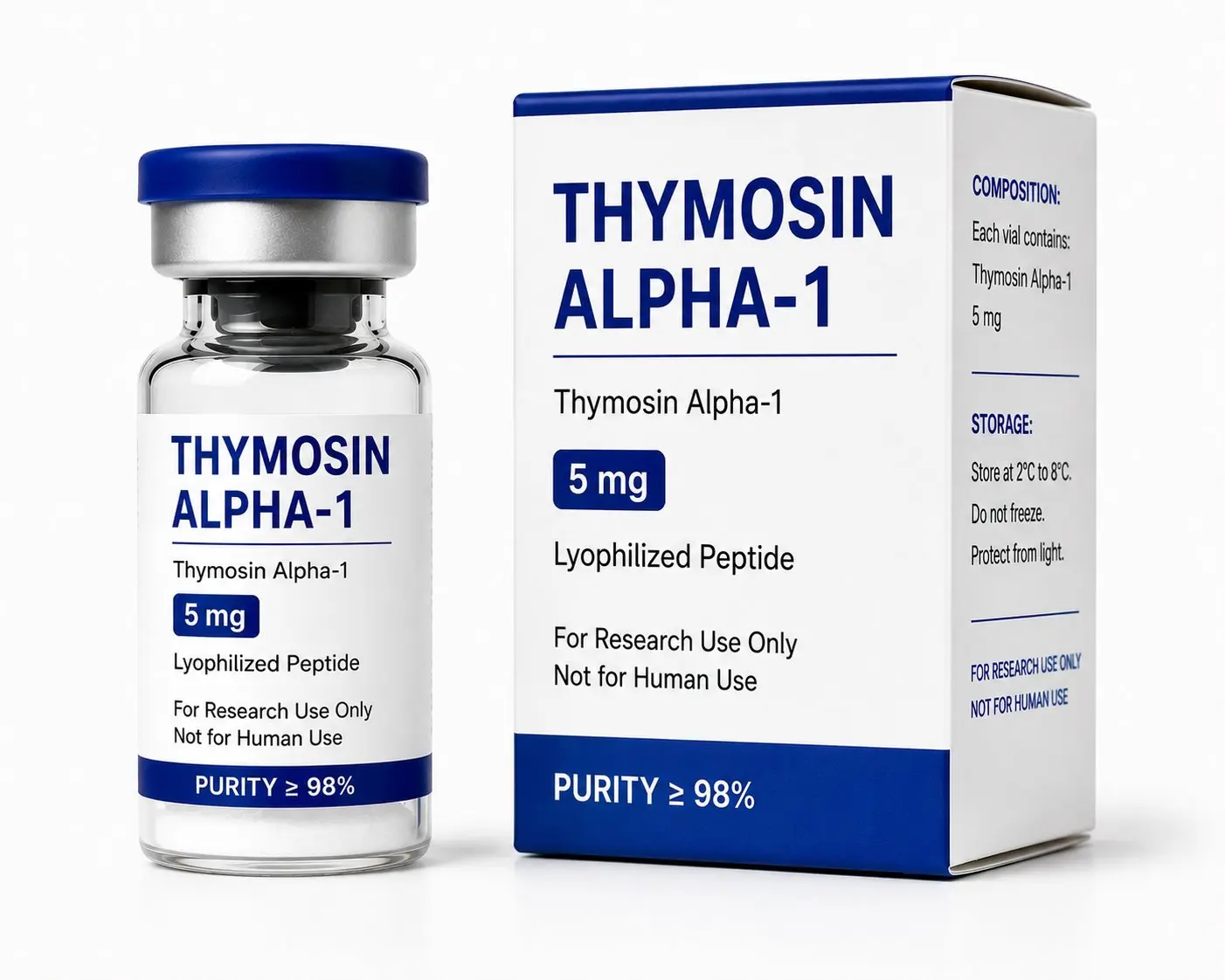
Thymosin Alpha-1 (TA-1) is a naturally occurring thymic peptide that plays a central role in immune system regulation. In the context of gut health, its primary value lies in addressing the immune dysregulation that underlies most chronic gut conditions. The gut contains approximately 70% of the body's immune cells — when these immune cells are chronically activated and producing inflammatory signals, gut tissue is continuously damaged and cannot heal properly.
Thymosin Alpha-1 has demonstrated the ability to normalise immune responses — reducing overactive inflammatory signalling while simultaneously enhancing appropriate immune function (antiviral and antibacterial responses). For gut conditions with an autoimmune or chronic inflammatory component — Crohn's disease, ulcerative colitis, food-triggered inflammation — TA-1 addresses the root cause while BPC-157 repairs the structural damage.
3. Glutathione — Gut Oxidative Stress
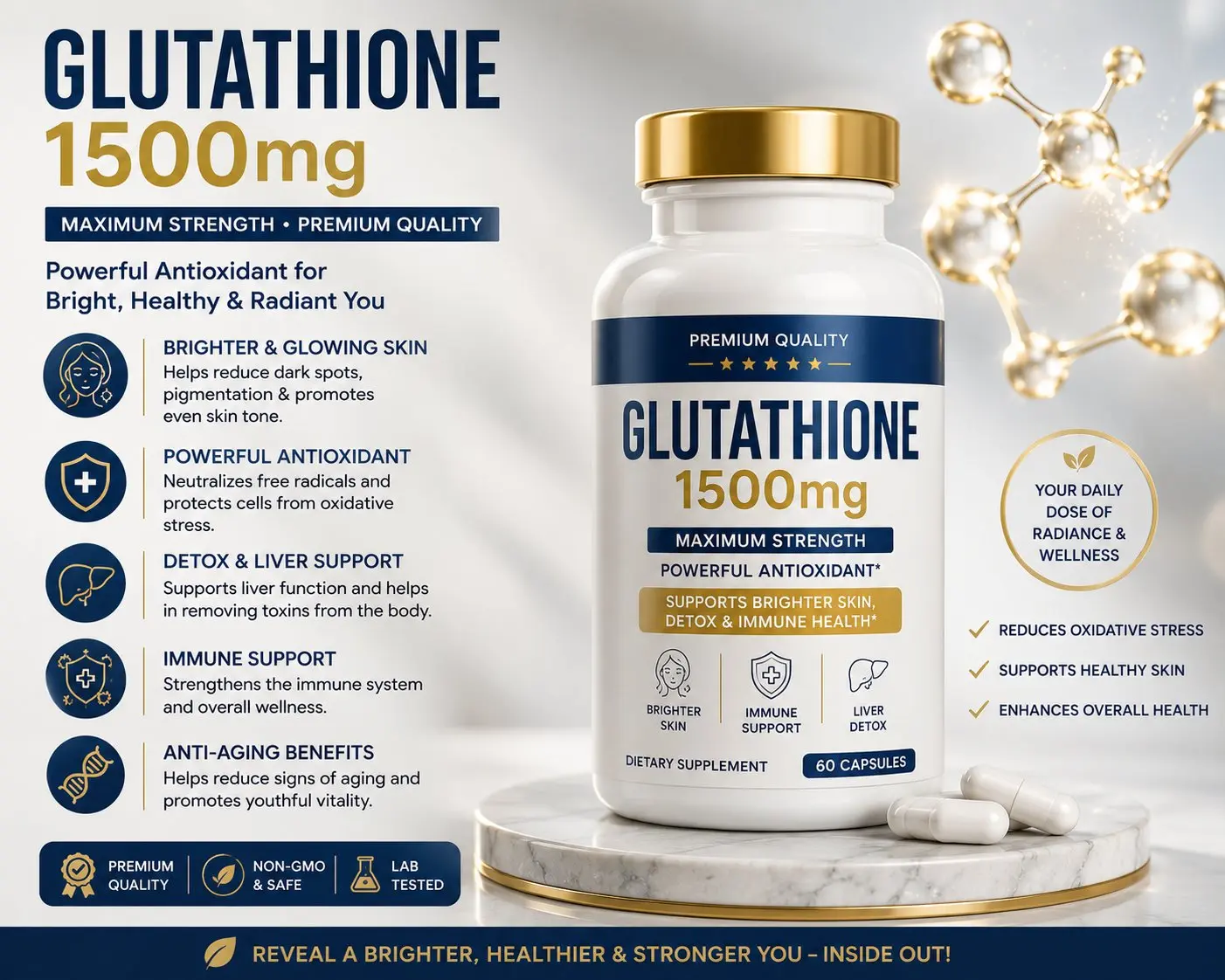
Oxidative stress — damage caused by free radicals — is a significant contributor to gut inflammation and intestinal barrier dysfunction. Glutathione is the body's master antioxidant, produced in every cell but rapidly depleted by chronic inflammation. Research-grade Glutathione 1500mg provides direct oxidative stress reduction in gut tissue, supporting the healing process initiated by BPC-157 and the immune normalisation of Thymosin Alpha-1.
4. Selank — The Gut-Brain Axis Peptide
The gut-brain axis is a bidirectional communication system between the enteric nervous system (the gut's own nervous system) and the brain. Chronic stress and anxiety directly worsen gut inflammation and intestinal permeability — and conversely, gut inflammation elevates anxiety through inflammatory cytokine signaling to the brain. Selank, with its well-documented anxiolytic effects, addresses the gut-brain axis component that purely physical gut healing peptides cannot reach.
The Optimal Gut Healing Protocol
| Peptide | Primary Gut Action | Route | Timeline for Effects |
|---|---|---|---|
| BPC-157 | Direct gut tissue repair, barrier restoration, anti-inflammatory | Injectable or oral | 1–4 weeks |
| Thymosin Alpha-1 | Immune normalisation, chronic inflammation reduction | Injectable | 2–6 weeks |
| Glutathione | Oxidative stress reduction, cellular protection | Injectable | 1–3 weeks |
| Selank | Gut-brain axis, stress-driven inflammation reduction | Injectable or intranasal | 1–2 weeks |
Conditions with the Strongest BPC-157 Research Support
Leaky Gut Syndrome / Intestinal Hyperpermeability
This is arguably BPC-157's most significant gut application. The intestinal barrier is maintained by tight junction proteins that seal the spaces between intestinal cells. When these proteins are damaged or reduced — by stress, alcohol, NSAIDs, infection, or poor diet — the barrier becomes permeable, allowing bacterial toxins and partially-digested food particles to enter the bloodstream and trigger systemic inflammation.
BPC-157 promotes the synthesis and organisation of tight junction proteins (zonulin, occludin, claudin), directly addressing the structural cause of leaky gut. Research models show measurable reduction in intestinal permeability markers within days of BPC-157 administration.
Gastric Ulcers
BPC-157's original research focus was gastric ulcer healing — and its effects here are among the most dramatic of any therapeutic peptide in the healing research category. Gastric ulcers that take 6–8 weeks to heal through standard pharmaceutical approaches show complete healing within 7–14 days in BPC-157 research models. The mechanism involves stimulation of angiogenesis (new blood vessel formation) in the ulcer bed, which dramatically accelerates tissue regeneration.
Inflammatory Bowel Disease
Both Crohn's disease and ulcerative colitis models have shown significant improvement with BPC-157. The anti-inflammatory and tissue-regenerative effects address both the inflammation and the structural damage to the intestinal mucosa that characterise these conditions.
How to Take BPC-157 for Gut Healing
For gut-specific applications, the oral route offers a unique advantage: BPC-157 can be administered orally and acts directly on intestinal tissue as it passes through the GI tract. This is particularly valuable for small intestinal and colonic conditions. For oesophageal or stomach conditions, oral administration places BPC-157 directly at the site of pathology.
For systemic effects and upper GI healing, subcutaneous injection remains the most common protocol. Many researchers combine both routes — injectable for systemic healing and oral for direct gut tissue action.
Buy BPC-157 for Gut Healing
From $45 per 5mg vial. The most researched gut healing peptide available. 99%+ purity, COA included, cold-chain shipped from North Carolina.
Buy BPC-157 →