Peptides for Hair Growth 2026 — The Complete Research Guide
Hair loss affects an estimated 80 million Americans and is one of the most psychologically significant aesthetic concerns across all age groups. While pharmaceutical options like finasteride and minoxidil are established, they come with well-documented side effects and limitations. Research peptides offer several mechanisms for addressing hair loss that work through completely different pathways — often with more favorable tolerability profiles.
This guide covers the research evidence honestly — including what the evidence actually shows, what it does not show, and realistic expectations.
🔬 Important Context: Most hair growth research is conducted in cell cultures and animal models. Human clinical data on peptides specifically for hair growth is more limited than for other applications (weight loss, healing). The mechanisms are sound — the translation to predictable human results is still being established.
Understanding Hair Loss — The Biology
Hair grows in cycles: anagen (active growth, 2–6 years), catagen (transition, 2–3 weeks) and telogen (rest/shedding, 3 months). Healthy hair has approximately 85–90% of follicles in the anagen phase at any time.
Hair loss occurs through several mechanisms:
- Androgenetic alopecia (pattern hair loss): DHT miniaturises hair follicles over time, progressively shortening the anagen phase until the follicle is dormant
- Telogen effluvium: Physiological stress (illness, rapid weight loss, nutritional deficiency) shifts a large proportion of follicles into telogen simultaneously, causing diffuse shedding
- Age-related thinning: Declining growth hormone and IGF-1 levels reduce follicle activity and shaft diameter across the scalp
- Inflammation-driven loss: Scalp inflammation damages follicles and shortens the growth cycle
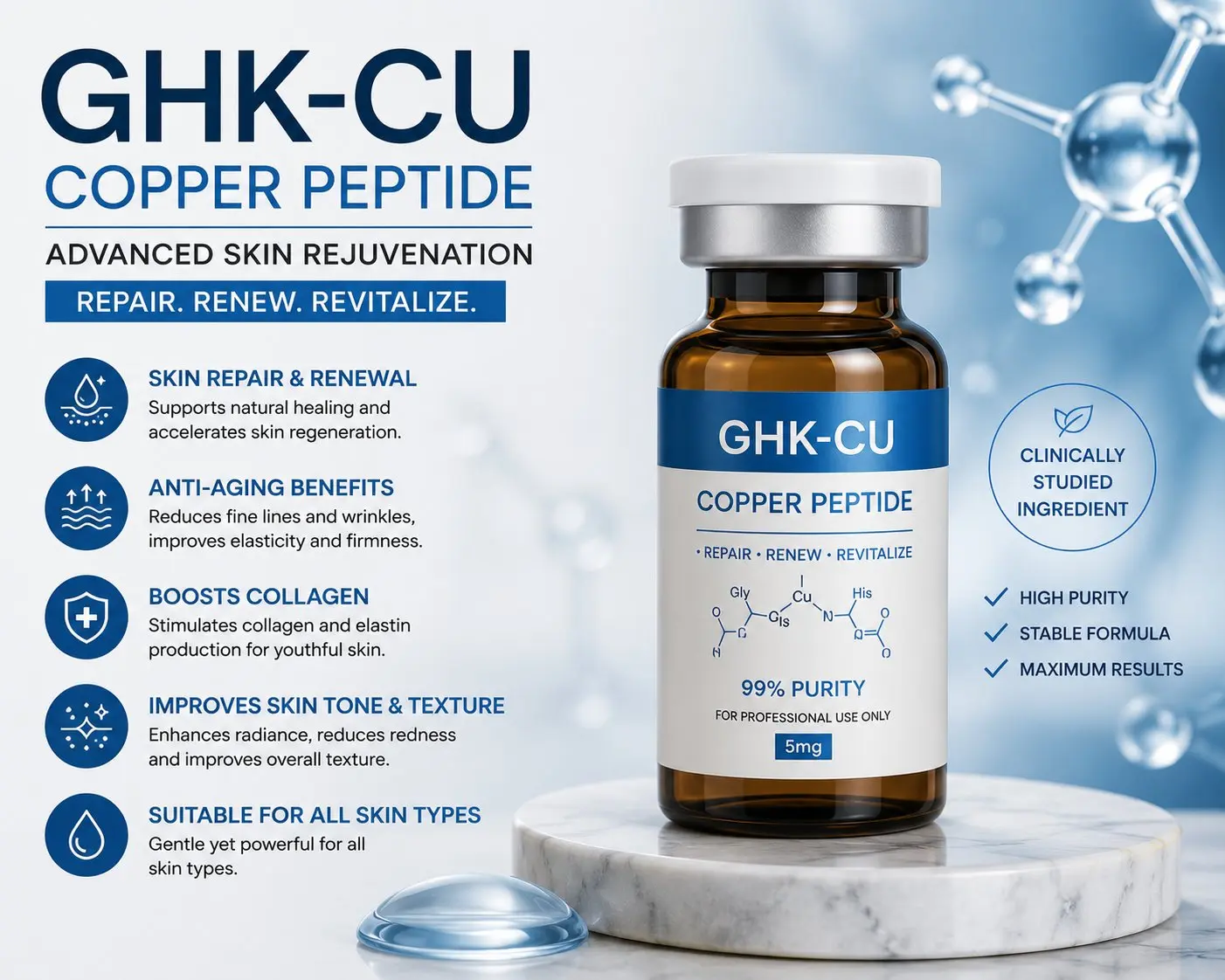
Peptide 1 — GHK-CU Copper Peptide (Strongest Evidence)
GHK-CU has the most substantial research base for hair growth applications of any peptide. Loren Pickart, who first isolated GHK-CU, documented its effects on hair follicles extensively. Key findings:
- GHK-CU enlarged hair follicle size by approximately 50% in one study
- Extended the anagen (growth) phase while shortening the telogen (resting) phase
- Stimulated proliferation of hair follicle keratinocytes — the cells that produce the hair shaft
- Upregulated growth factors relevant to follicle activity including VEGF, FGF and KGF
- Anti-inflammatory effects that reduce scalp inflammation damaging to follicle function
GHK-CU's broad gene regulation capability (it modulates over 4,000 human genes) includes upregulation of hair follicle stem cell activity — making it one of the few compounds with a plausible mechanism for addressing both follicle miniaturisation and age-related thinning simultaneously.
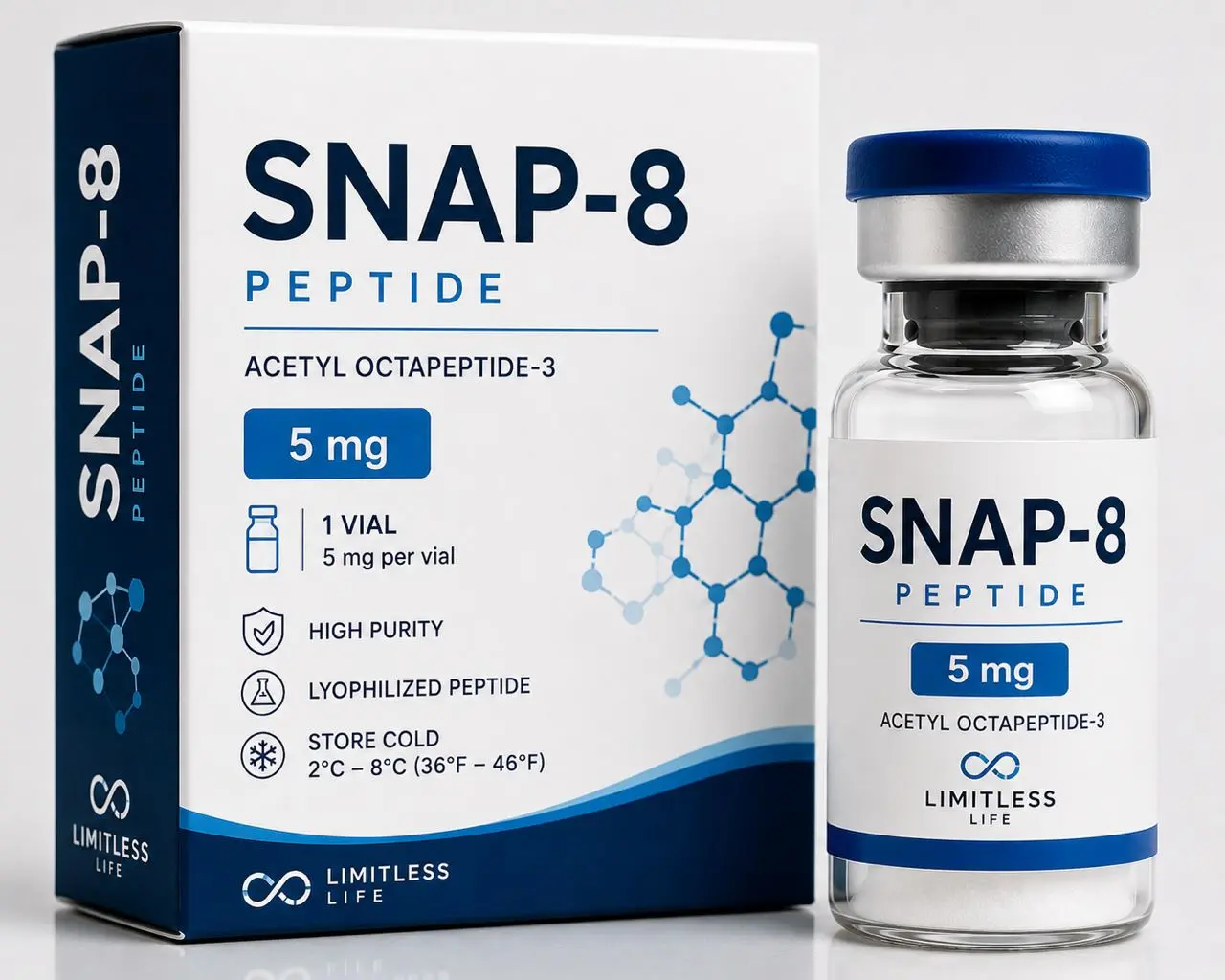
Peptide 2 — Growth Hormone Peptides (CJC-1295 + Ipamorelin)
The relationship between growth hormone and hair is well established. GH stimulates IGF-1 production, and IGF-1 receptors are expressed on hair follicle dermal papilla cells — the cells that control the hair growth cycle. When IGF-1 levels are adequate, follicle dermal papilla cells proliferate and maintain the anagen phase. When GH/IGF-1 decline with age, follicle activity progressively decreases.
Research subjects using CJC-1295 + Ipamorelin protocols often report improved hair thickness, texture and growth rate as a secondary effect — not the primary goal of the protocol, but consistently reported. This is mechanistically explained by the restoration of GH/IGF-1 signaling to more youthful levels.
For subjects over 40 experiencing age-related hair thinning concurrent with other signs of GH decline (reduced muscle mass, increased body fat, poor sleep, slower recovery), GH peptides address the root cause of multiple symptoms simultaneously — making them potentially the most efficient intervention for this population.
Peptide 3 — BPC-157 (Scalp Circulation)
BPC-157's potent angiogenic (blood vessel formation) effects make it relevant for hair growth through a different mechanism: improved scalp circulation. Hair follicles are among the most metabolically active structures in the body — they require excellent blood supply for the nutrients and oxygen needed for active growth. BPC-157's ability to promote new blood vessel formation in target tissue has been documented in multiple organ systems.
While dedicated hair growth research on BPC-157 is limited, its mechanism of promoting local vascularisation is directly relevant to follicle health and may complement GHK-CU's direct follicle stimulation by improving the delivery of nutrients to newly activated follicles.
The Hair Growth Peptide Protocol
| Peptide | Mechanism for Hair | Application | Timeline |
|---|---|---|---|
| GHK-CU | Follicle stem cell activation, anagen extension | Injectable or topical at scalp | 8–16 weeks |
| CJC-1295 + Ipamorelin | IGF-1 restoration for follicle dermal papilla cells | Subcutaneous injection | 12–24 weeks |
| BPC-157 | Scalp angiogenesis, improved follicle blood supply | Subcutaneous injection near scalp or systemic | 8–16 weeks |
| NAD+ | Cellular energy for metabolically demanding follicles | Subcutaneous injection | 8–12 weeks |
Preventing Semaglutide/Tirzepatide Hair Loss
A specific and common hair concern in peptide research: temporary hair shedding during Semaglutide or Tirzepatide protocols. This is telogen effluvium caused by rapid weight loss — not a direct peptide effect. Prevention:
- Protein: 0.8–1.0g per pound of lean body mass is the single most important protective factor
- Iron: Monitor ferritin levels — iron deficiency accelerates telogen effluvium significantly
- Biotin and zinc: Supporting evidence for reducing shedding during nutritional stress
- GHK-CU: May help maintain follicle activity during the caloric restriction period
- Rate of loss: Losing weight more slowly (0.5–1 lb/week rather than 2+ lbs/week) dramatically reduces telogen effluvium risk
If hair shedding occurs, it is temporary — full density typically returns within 3–6 months after weight stabilises and nutrition is adequate.
Shop GHK-CU and Hair Growth Peptides
GHK-CU from $30, CJC-1295 + Ipamorelin from $80, BPC-157 from $45. All 99%+ purity, COA included, cold-chain from North Carolina.
Shop Now →