Peptides vs Steroids 2026 — The Complete Comparison
The comparison between research peptides and anabolic-androgenic steroids (AAS) is one of the most frequently asked questions in the performance research space. These two categories of compounds are fundamentally different in mechanism, legality, side effect profile and outcomes — and conflating them produces significant misunderstanding in both directions.
This guide addresses the key differences clearly and honestly.
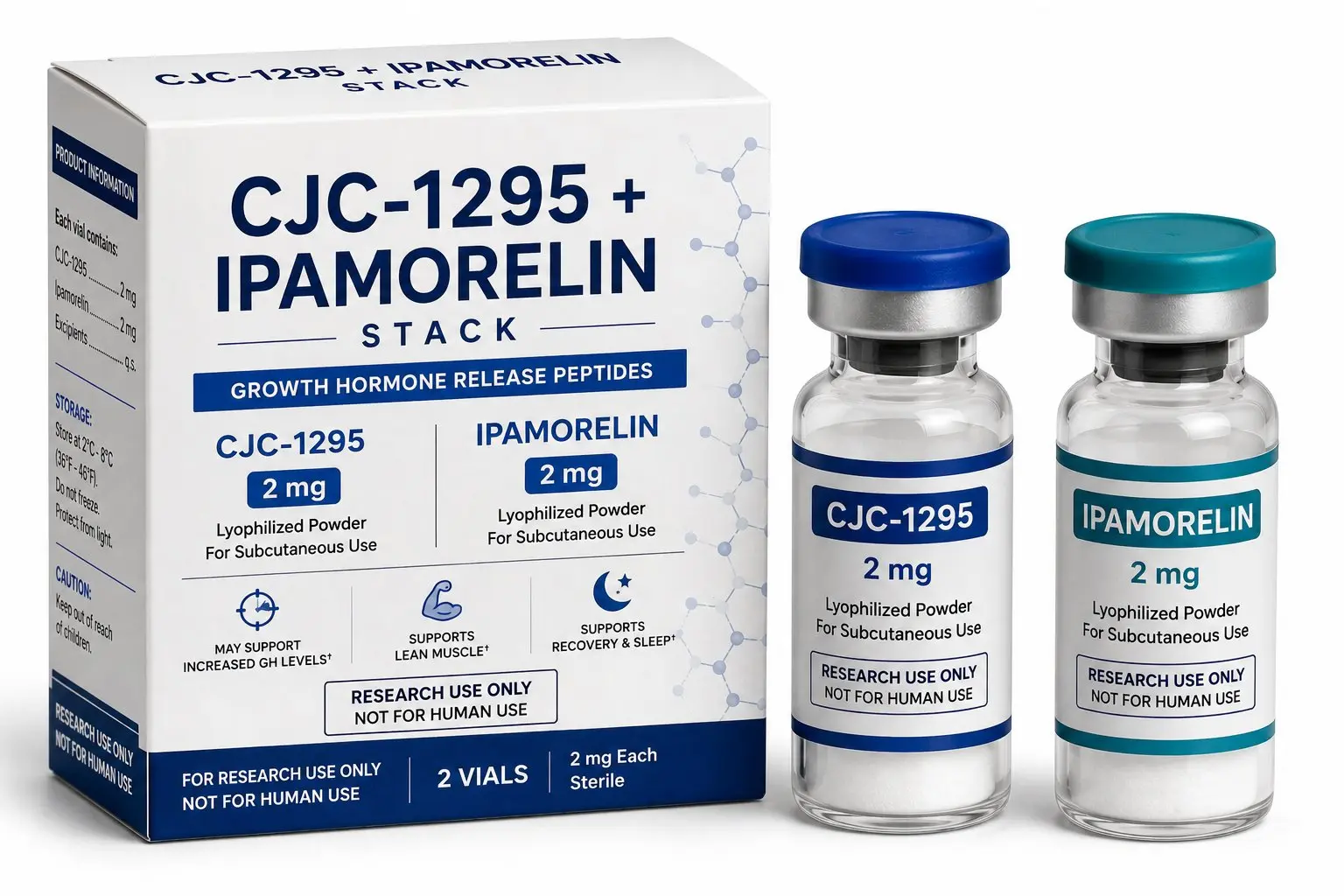
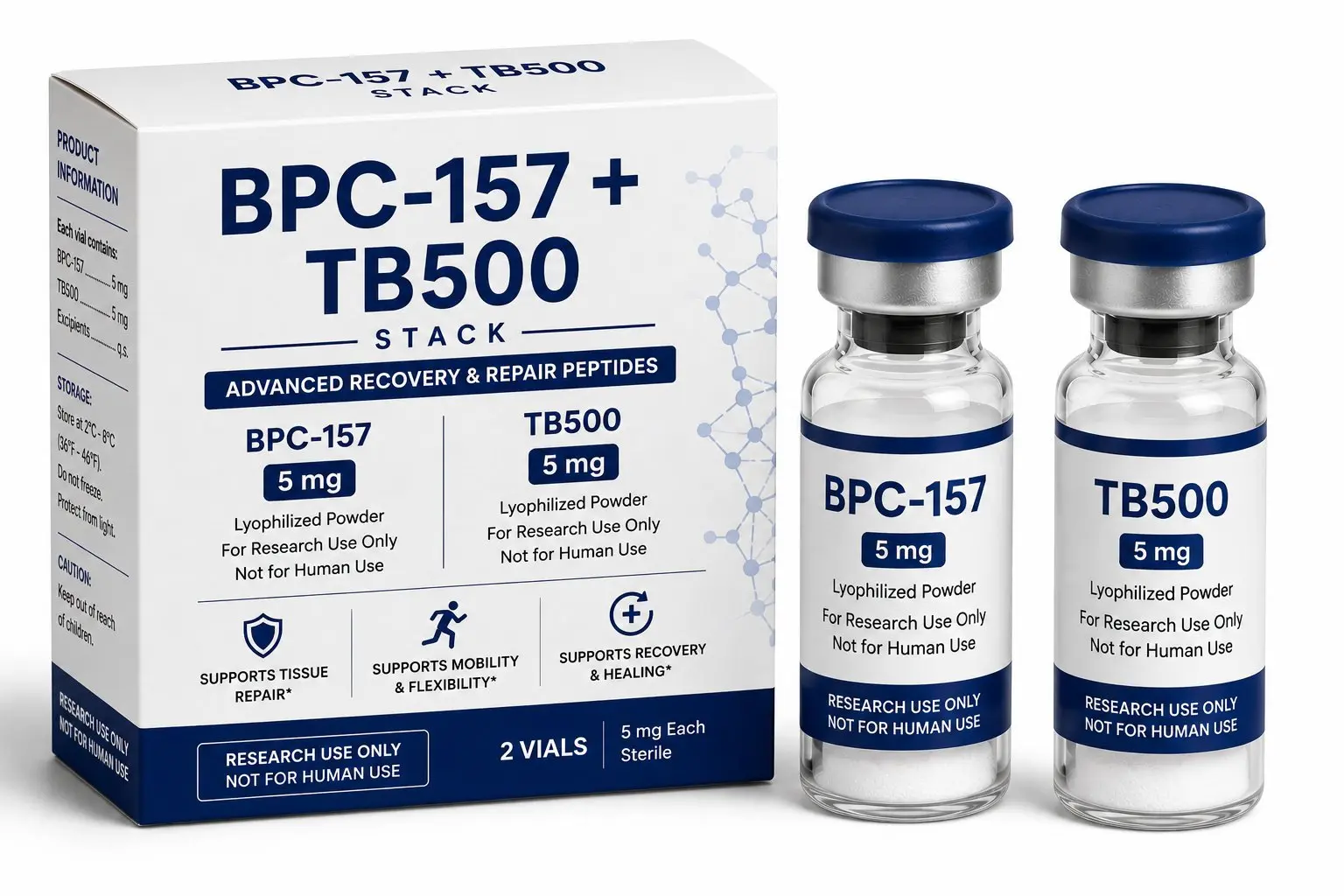
⚖️ Important Distinction: "Peptides" is a broad category covering hundreds of compounds with vastly different mechanisms. This guide focuses primarily on the peptides most commonly compared to AAS in performance contexts — GH peptides (CJC-1295, Ipamorelin), IGF-1 analogs and healing peptides (BPC-157, TB-500).
The Fundamental Mechanism Difference
Anabolic-Androgenic Steroids (AAS)
Testosterone and its synthetic derivatives work by entering cells and binding to androgen receptors (ARs) in the cell nucleus. This directly changes gene expression — upregulating protein synthesis genes, muscle-specific genes and red blood cell production genes. AAS essentially hijack the androgen signaling system, producing supraphysiological anabolic stimulation throughout the entire body simultaneously.
The consequence of this mechanism: exogenous testosterone tells the hypothalamus and pituitary that testosterone levels are adequate (or more than adequate), so they stop signaling the testes to produce testosterone naturally. This HPG (hypothalamic-pituitary-gonadal) axis suppression is why post-cycle therapy is required after AAS use — the body has temporarily lost its natural testosterone production capacity.
Growth Hormone Peptides
GH peptides (CJC-1295, Ipamorelin, GHRP-2, Sermorelin) work by stimulating the pituitary gland to release more of the body's own natural growth hormone. They do not introduce exogenous hormones — they stimulate endogenous production. Crucially, they do not suppress the HPG axis — testosterone, LH and FSH levels are not affected. There is no shutdown of natural production and no recovery protocol required.
| Factor | Anabolic Steroids (AAS) | GH Peptides (CJC-1295/Ipamorelin) | IGF-1 LR3 |
|---|---|---|---|
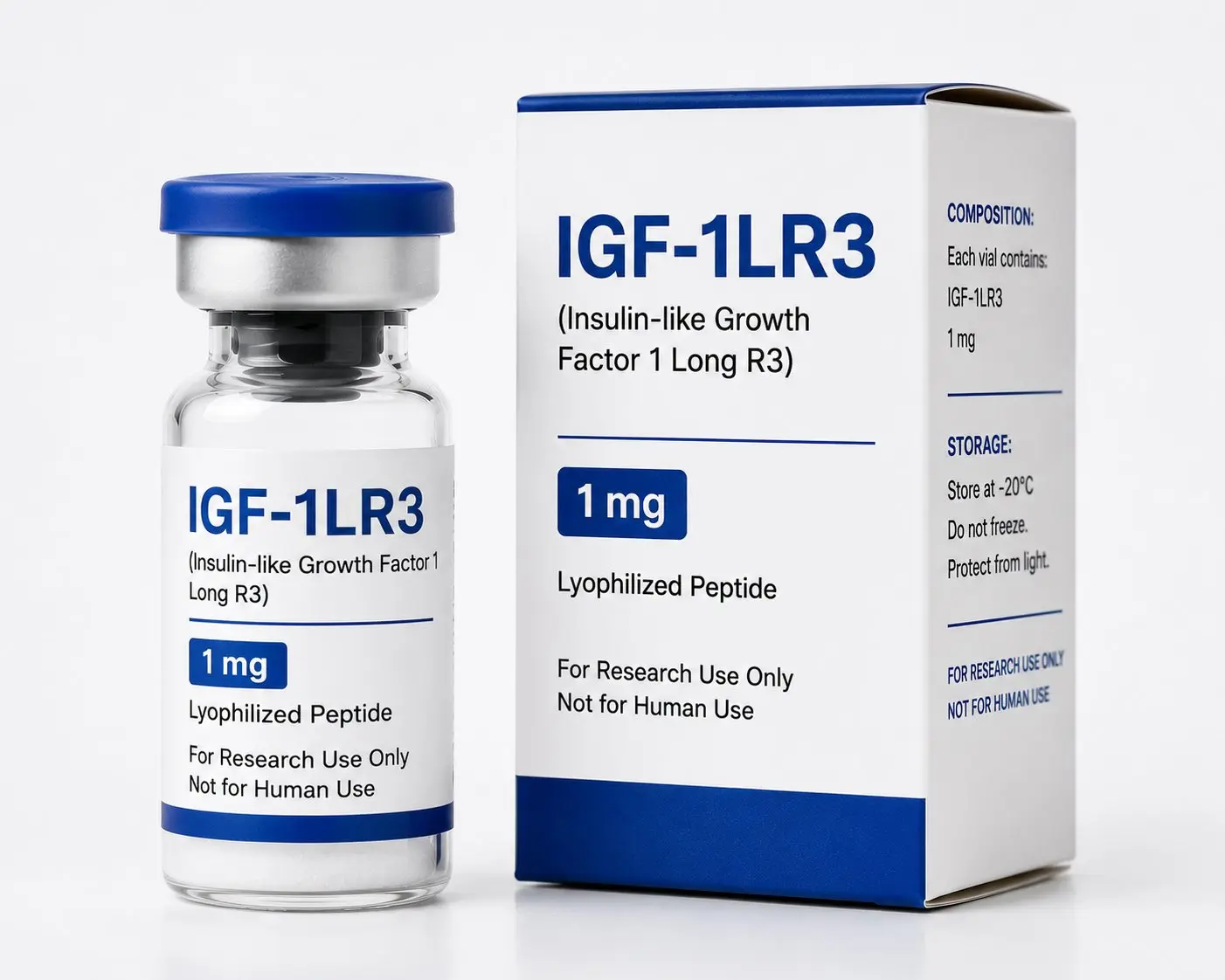
| Mechanism | Androgen receptor activation | Pituitary GH stimulation | Direct IGF-1 receptor activation |
| HPG axis suppression | Yes — testosterone suppressed | No — no hormonal suppression | No |
| PCT required | Yes | No | No |
| Muscle building speed | Fast (weeks) | Gradual (months) | Moderate (weeks-months) |
| Fat loss | Moderate (depends on compound) | Significant (GH-driven lipolysis) | Moderate |
| Collagen/connective tissue | Variable (some damage, some support) | Improved — GH supports collagen | Moderate improvement |
| Cardiovascular effects | Can worsen lipid profile, cardiac hypertrophy | Neutral to positive | Neutral |
| Legal status (US) | Schedule III controlled substance | Research compound — legal | Research compound — legal |
| Detection in sport | Detectable for weeks-months | GH testing exists but difficult | Detectable |
Side Effect Comparison
Anabolic Steroid Side Effects
- HPG axis suppression — natural testosterone production stops during use
- Cardiovascular: worsened LDL/HDL ratio, increased cardiac mass, elevated hematocrit
- Hormonal: elevated estrogen (from aromatisation), potential gynecomastia
- Androgenic: acne, hair loss (in genetically predisposed), virilisation in women
- Hepatotoxicity: oral 17α-alkylated AAS are liver toxic
- Psychological: aggression, mood instability during and after cycles
- Reproductive: reduced sperm count, potential fertility impairment
GH Peptide Side Effects
- Water retention — mild, common with sustained GH elevation, resolves on cessation
- Carpal tunnel symptoms — from tissue expansion around carpal tunnel, dose-dependent
- Mild increase in hunger — particularly with GHRP-6 which has appetite-stimulating effects
- Mild fatigue during adaptation period
- Potential insulin sensitivity changes with long-term use — blood glucose monitoring recommended
- No HPG suppression, no liver toxicity, no cardiovascular lipid changes
Results — What to Realistically Expect
Anabolic Steroids
AAS produce rapid, dramatic changes in muscle mass and strength — often 15–30 lbs of muscle in a single cycle for experienced users with appropriate nutrition. The speed and magnitude of these results is unmatched by any other intervention. However, a significant portion of gains are water weight (particularly with wet compounds), many gains are lost post-cycle without careful management, and the risk-benefit profile worsens significantly with long-term use.
GH Peptides (CJC-1295 + Ipamorelin)
GH peptides produce gradual body recomposition — typically 2–4 lbs of lean mass gain concurrent with 4–8 lbs of fat loss over a 12–16 week protocol. Results are modest compared to AAS but highly keepable (no PCT-related regression), and the body composition outcome — less fat with more lean tissue — is often considered more aesthetically desirable. Sleep quality improves significantly, recovery accelerates and connective tissue quality improves — benefits AAS does not reliably provide.
IGF-1 LR3
IGF-1 LR3 sits between GH peptides and AAS in terms of anabolic potency. Its satellite cell activation mechanism produces genuine new muscle fiber formation (hyperplasia) — not just hypertrophy. Results in research settings are more dramatic than GH peptides alone and develop faster, but still more gradual than supraphysiological AAS use. IGF-1 LR3 is frequently combined with GH peptides for the most comprehensive non-androgenic anabolic protocol available.
Legality Comparison
| Compound Category | US Legal Status | Sport Status | Penalty for Possession |
|---|---|---|---|
| Testosterone / AAS | Schedule III Controlled Substance | Banned | Criminal — federal |
| Peptide hormones (hGH) | Schedule III (hGH specifically) | Banned | Criminal |
| GH Secretagogues (CJC-1295, Ipamorelin) | Research compound — legal | Banned in sport | None for possession |
| Healing peptides (BPC-157, TB-500) | Research compound — legal | Banned in sport | None for possession |
| GLP-1 peptides (Semaglutide, etc.) | Research compound — legal | Not currently banned | None for possession |
Shop Performance Peptides — No Prescription Required
CJC-1295, Ipamorelin, IGF-1 LR3 and BPC-157. Legal research compounds, 99%+ purity, COA included, cold-chain from NC.
Browse Performance Peptides →