Why Female Weight Loss Is Physiologically Different
Weight loss research that treats male and female subjects identically misses fundamental physiological differences that profoundly affect outcomes. Oestrogen influences fat distribution, storing it preferentially in the hips, thighs and lower abdomen in premenopausal women. Progesterone affects appetite and food cravings, particularly in the luteal phase. Insulin sensitivity varies across the menstrual cycle. After menopause, declining oestrogen shifts fat storage toward the abdominal region — suddenly producing the visceral fat pattern typically associated with male biology.
Understanding these differences is critical to choosing the right peptide approach. This guide covers the best-evidenced options for women specifically in 2026.
The GLP-1 Peptides — The Strongest Evidence
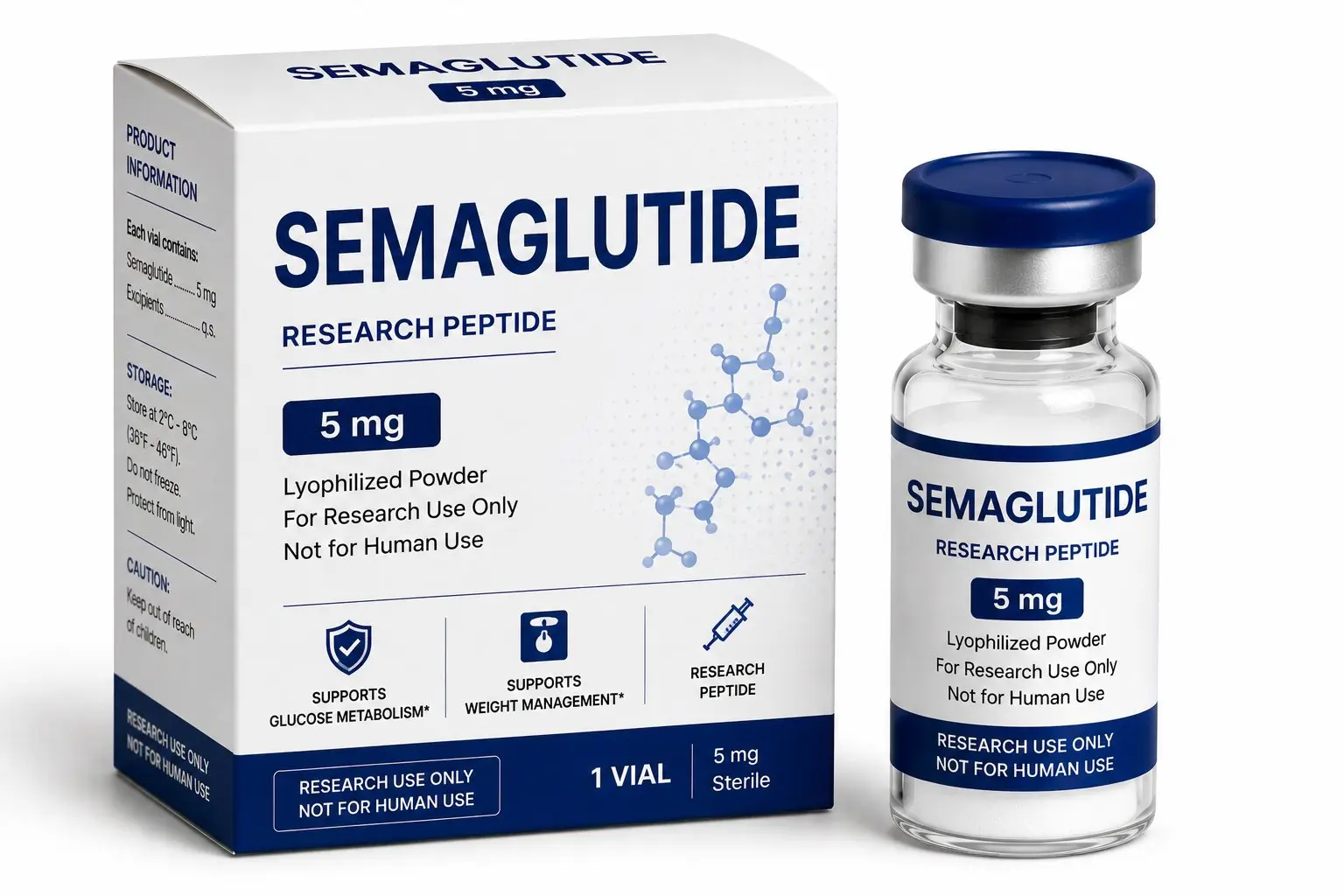
Semaglutide — The Starting Point for Most Women
Semaglutide is the most extensively studied GLP-1 receptor agonist and has the deepest evidence base for weight loss in female subjects. The STEP clinical trial programme, which studied over 4,500 subjects (approximately 80% female), demonstrated an average 15–18% reduction in body weight over 68 weeks. At the highest doses studied, nearly a third of female participants lost more than 20% of their body weight.
Why GLP-1 agonists work particularly well for many women comes down to the biology of appetite regulation. Many women experience appetite driven significantly by emotional state, stress and hormonal fluctuations — not simply by caloric deficit. GLP-1 agonists work centrally through the brain's appetite-regulating centres (the hypothalamus), directly reducing appetite signals regardless of their origin. This makes them effective even when traditional calorie-counting approaches have failed.
The gradual escalation protocol (starting at 0.25mg and increasing over 16 weeks) is particularly important for women, as the initial GI adjustment period tends to be more pronounced. The key message from research: the first 4 weeks are the adjustment period — the appetite suppression builds progressively, and most subjects who complete the escalation protocol achieve significant results.
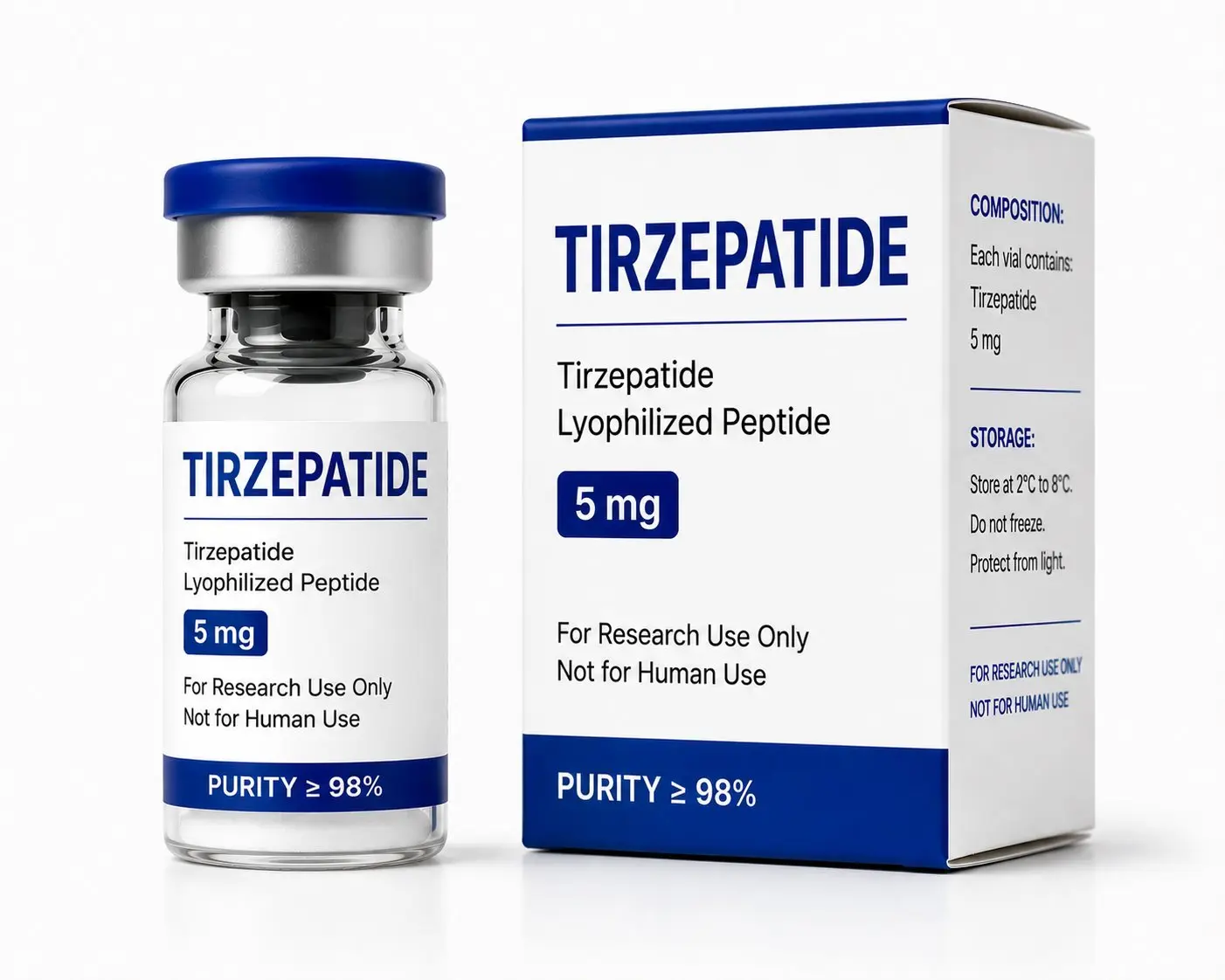
Tirzepatide — Superior Results for Those Who Can Tolerate It
Tirzepatide's dual GIP/GLP-1 mechanism consistently produces superior weight loss outcomes compared to Semaglutide — average 20–25% body weight reduction in clinical research versus 15–18% for Semaglutide. For women with more than 40 lbs to lose, Tirzepatide typically produces more significant results.
The additional GIP receptor activity in Tirzepatide appears to have particular relevance for female biology — GIP receptors are expressed in adipose tissue and may play a role in the sex-differential fat distribution patterns influenced by oestrogen. Some researchers hypothesise this is why Tirzepatide shows particularly strong results in female subjects in clinical data, though this mechanism is still under active investigation.
Targeting Female Fat Distribution Patterns
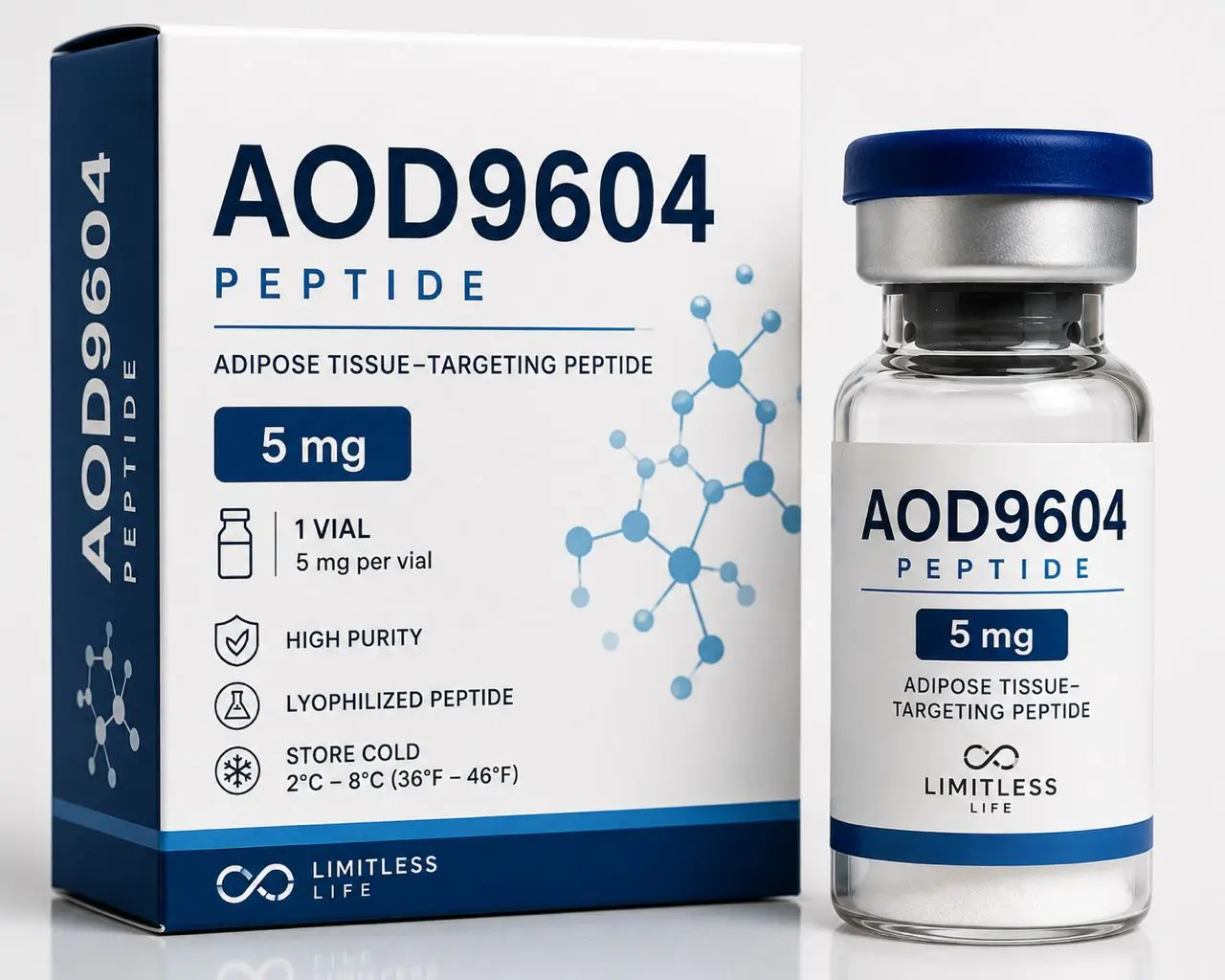
AOD9604 — Stubborn Lower Body Fat
AOD9604 is a fragment of the growth hormone molecule (amino acids 176-191) that retains the fat-metabolising properties of growth hormone without its growth-promoting effects on other tissues. It works specifically by mimicking the way growth hormone regulates fat metabolism — stimulating lipolysis (fat breakdown) in adipose cells and inhibiting lipogenesis (new fat creation).
AOD9604 is particularly relevant for women because of its observed effects on the type of stubborn fat that female hormones promote — particularly in the lower body. While GLP-1 agonists reduce overall caloric intake and produce widespread fat loss, AOD9604 acts directly on fat cells and may have preferential effects on subcutaneous fat deposits that are notoriously resistant to caloric restriction in women.
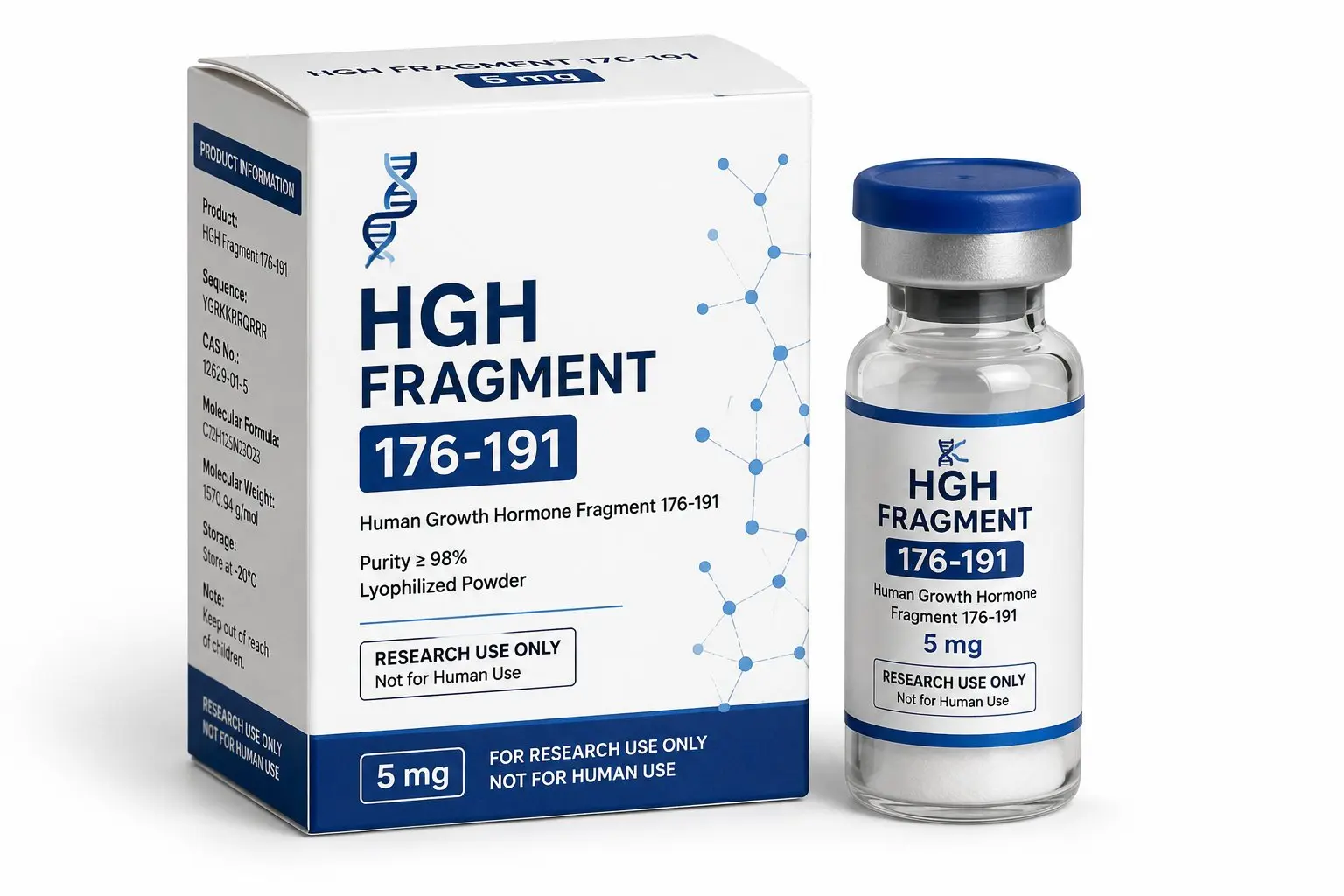
HGH Fragment 176-191 — Metabolic Fat Burning
Similar to AOD9604 in origin (both are growth hormone fragments), HGH Fragment 176-191 is the specific section of the GH molecule responsible for the lipolytic (fat-burning) effect. Research shows it increases fat oxidation and reduces fat accumulation without the growth-promoting effects of full-length growth hormone. For postmenopausal women experiencing the abdominal fat redistribution associated with oestrogen decline, HGH Fragment 176-191 provides direct metabolic support for fat metabolism.
Hormonal Considerations for Women
Postmenopausal Weight Gain
The hormonal shift of menopause — declining oestrogen, progesterone and growth hormone — creates a perfect storm for weight gain: metabolic rate slows, fat distribution shifts toward the abdomen, muscle mass declines and sleep quality deteriorates (further disrupting metabolism). The peptide approach for postmenopausal women is typically multi-pronged:
| Peptide | Mechanism for Post-Menopausal Women | Priority |
|---|---|---|
| Semaglutide or Tirzepatide | GLP-1 appetite suppression — addresses increased appetite and reduced satiety signals | P0 — First choice |
| HGH Fragment or AOD9604 | Direct fat metabolism support — addresses slowed lipolysis from GH decline | P1 — Add to GLP-1 |
| Ipamorelin + CJC-1295 | GH restoration — addresses muscle loss and metabolic decline from GH reduction | P1 — Foundation stack |
| NAD+ | Metabolic energy restoration — addresses mitochondrial decline from aging | P2 — Complement |
| Epitalon | Sleep restoration — addresses disrupted sleep from hormonal changes | P2 — Complement |
Perimenopausal Considerations
Perimenopause — the transition phase before menopause, typically beginning in the mid-40s — is when many women first notice significant changes in body composition that are resistant to previous approaches. GLP-1 peptides are effective at this stage regardless of hormonal status. Adding growth hormone peptides (Ipamorelin + CJC-1295) early in this transition can significantly slow the metabolic decline that accelerates through perimenopause.
The Most Effective Women's Weight Loss Stack by Goal
| Goal | Primary Peptides | Supporting Peptides |
|---|---|---|
| Maximum overall weight loss | Tirzepatide or Semaglutide | AOD9604, HGH Frag 176-191 |
| Stubborn lower body fat | AOD9604 + GLP-1 peptide | Ipamorelin + CJC-1295 |
| Post-menopausal abdominal fat | HGH Frag 176-191 + Tesamorelin | Semaglutide, NAD+ |
| Weight loss + muscle preservation | GLP-1 peptide + Ipamorelin | BPC-157, NAD+ |
| Weight loss + skin improvement | Semaglutide + GHK-CU | Snap-8, Glutathione |
Shop Women's Weight Loss Peptides
Semaglutide from $30 · Tirzepatide from $28 · AOD9604 from $58. 99%+ purity, COA with every order, cold-chain shipped from NC. Questions? Text Sarah at (704) 605-9477.
Shop Now →