Semaglutide Weight Loss Protocol Guide 2026 — How to Maximise Results
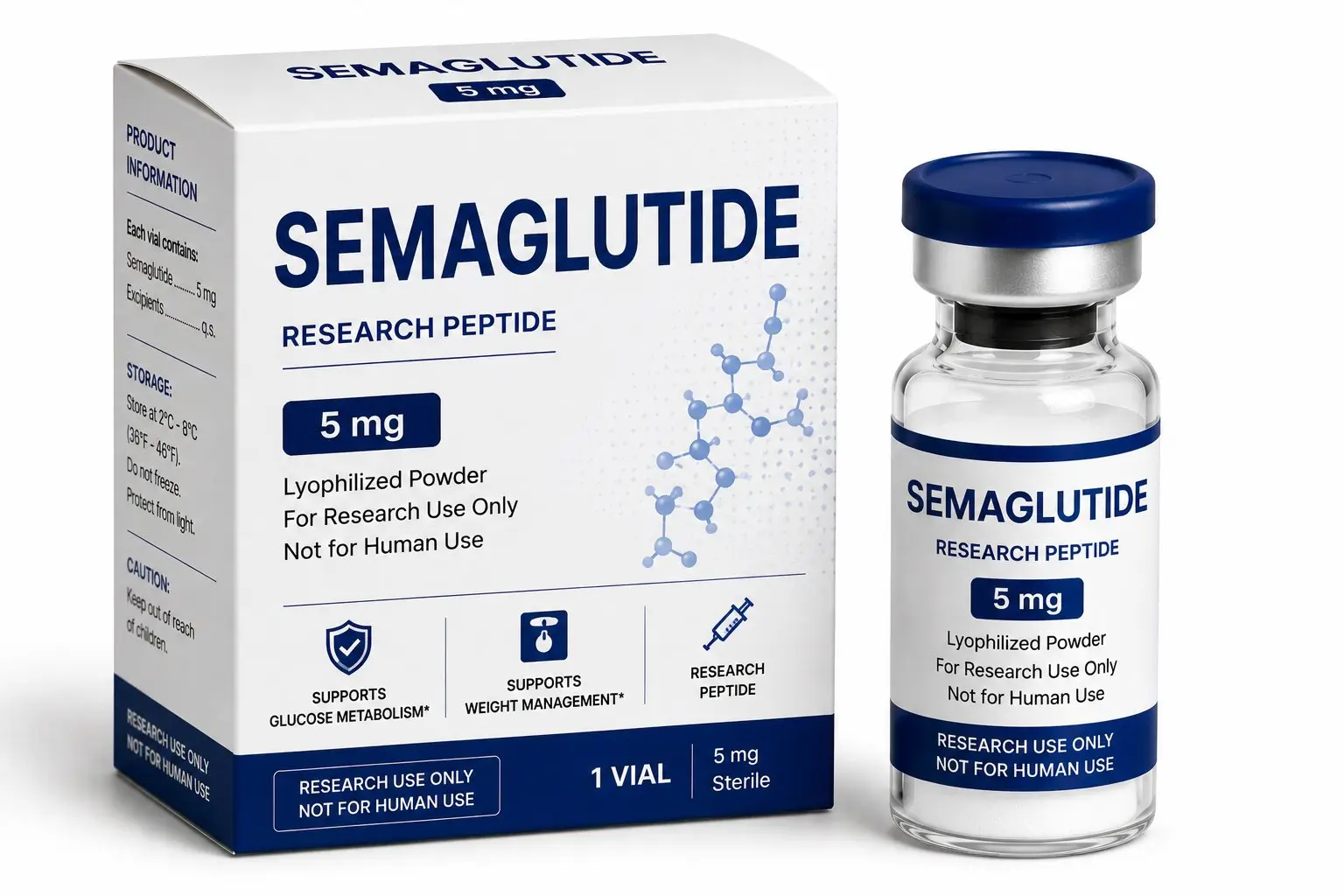
Semaglutide is the most extensively researched GLP-1 receptor agonist peptide available. In clinical trials it has consistently demonstrated 15–18% body weight reduction over 68 weeks — results that surpass any other pharmacological weight loss intervention ever tested at scale. But getting maximum results from Semaglutide requires understanding the protocol: the gradual escalation, the dietary approach and the management of the initial adjustment period.
This is the most comprehensive Semaglutide protocol guide available for 2026 — covering everything from starting dose through advanced optimisation.
⚡ Why Semaglutide Works: Semaglutide is a GLP-1 receptor agonist — it mimics and amplifies the natural hormone GLP-1 that your gut releases after eating. This tells your brain you are full, slows gastric emptying (food moves through your stomach more slowly), and reduces appetite at the neurological level. The result: you eat significantly less without the willpower battle of traditional dieting.
Understanding the Escalation Protocol
The most critical aspect of Semaglutide research protocols is the gradual dose escalation. Starting at a higher dose produces significantly more side effects (nausea, GI discomfort) without meaningfully better results — the GLP-1 receptors need time to adapt. The escalation protocol is not just a safety measure — it is a core part of what makes Semaglutide effective and well-tolerated.
Standard Research Escalation Protocol
If GI side effects are significant at any dose increase, most research protocols recommend holding at the current dose for an additional 2–4 weeks before escalating further. The goal is comfortable, sustainable progression — not aggressive dose chasing.
What to Expect Week by Week
Weeks 1–4 (0.25mg): The Adjustment Phase
This is typically the hardest phase — not because it is particularly difficult, but because the effects are mild and the side effects are at their most noticeable. Mild nausea after injection is common and usually resolves within 24 hours. Appetite reduction is present but subtle. Do not judge Semaglutide's effectiveness by weeks 1–4 — this is purely the adaptation period. Most subjects who quit early during this phase later regret it.
Weeks 5–8 (0.5mg): First Noticeable Effects
This is where most research subjects first clearly notice the appetite suppression. Food becomes less interesting. Portions that previously felt normal now feel like too much. The classic Semaglutide experience begins — the "I just forgot to eat" phenomenon that longtime users describe. GI side effects are usually well-managed by now. Expect initial weight loss of 4–8 lbs in this period for typical research subjects.
Weeks 9–16 (1.0–1.5mg): Full Effect Phase
This is where the majority of weight loss occurs. Appetite is significantly suppressed — most subjects eat 30–50% fewer calories without effort or willpower. The GI adaptation is typically complete. Energy levels are usually good and some subjects report improved mood and reduced food-related anxiety. Expect 1–2 lbs of weight loss per week in this phase for typical research subjects who are managing nutrition appropriately.
Nutrition During a Semaglutide Protocol
Semaglutide significantly reduces how much you eat — but it does not automatically direct what you eat. The nutritional approach during a Semaglutide protocol determines whether you lose predominantly fat or a mix of fat and muscle.
Prioritise Protein
When eating significantly less, protein intake is the most important variable. Aim for 0.8–1.0g of protein per pound of lean body mass. This is higher than standard recommendations, but critical during a calorie deficit to prevent muscle loss. Good sources: eggs, chicken, fish, Greek yogurt, cottage cheese, lean beef.
Do Not Eat Too Little
Semaglutide can suppress appetite so strongly that some subjects eat far below their metabolic needs — sometimes under 800 calories per day. This triggers muscle breakdown, metabolic adaptation and nutrient deficiencies. A sustainable deficit of 500–750 calories below maintenance produces better body composition outcomes than extreme restriction.
Prioritise Nutrient Density
When total food volume is reduced, every bite matters more nutritionally. Choose foods with high nutrient density — vegetables, quality proteins, whole grains — over processed foods that provide calories but little nutritional value.
Managing Common Side Effects
Nausea
The most common side effect, particularly in weeks 1–4. Management strategies: inject in the evening so peak nausea occurs during sleep; eat smaller meals more frequently; avoid fatty, greasy or spicy foods immediately after injection; ginger tea can help; consider antinausea medication if significant.
Constipation
Semaglutide slows gastric emptying, which means the entire GI tract moves more slowly. Ensure adequate hydration (2+ liters of water daily), maintain dietary fiber intake, consider a gentle fiber supplement if needed.
Fatigue (Weeks 1–3)
Some subjects experience fatigue in the early adaptation phase, often because they are eating significantly less and their body is adjusting to the calorie reduction. Usually resolves spontaneously. Ensure adequate protein and micronutrient intake.
When to Consider Tirzepatide Instead
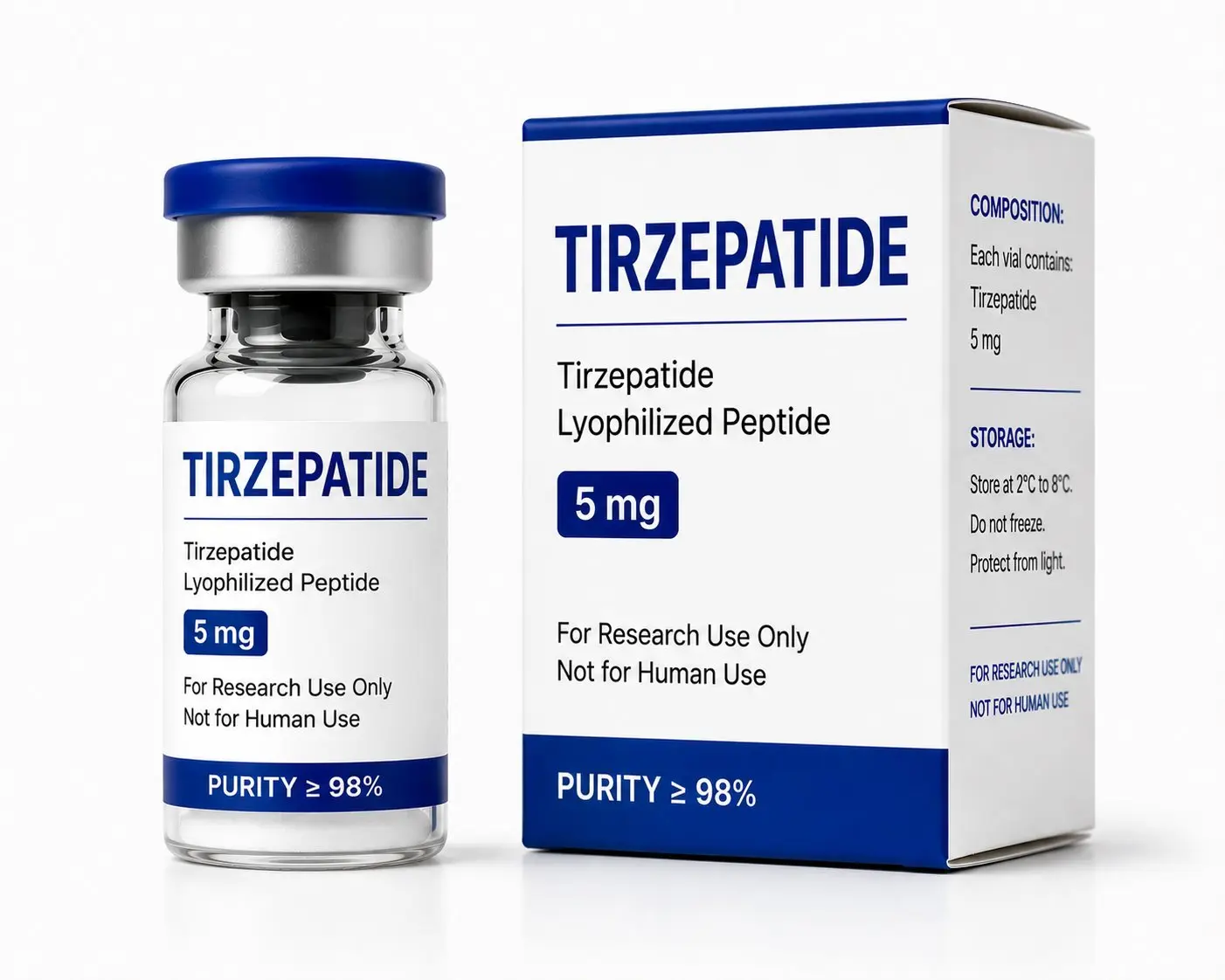
Semaglutide is the ideal starting point — it is well-established, predictable and effective. However, Tirzepatide (dual GLP-1/GIP agonist) typically produces 20–25% body weight reduction versus Semaglutide's 15–18%. Research subjects to consider Tirzepatide instead of or after Semaglutide:
- More than 40 lbs to lose and wanting maximum results
- Previous experience with GLP-1 peptides showing good tolerance
- Semaglutide results have plateaued after 6+ months
See our complete Tirzepatide vs Semaglutide comparison for a detailed head-to-head analysis.
Stacking Semaglutide with Other Peptides
- Semaglutide + Ipamorelin: GLP-1 appetite suppression combined with GH stimulation for body recomposition — lose fat while preserving and building lean muscle
- Semaglutide + AOD9604: Targeting both appetite (Semaglutide) and stubborn fat tissue directly (AOD9604's fat cell targeting mechanism)
- Semaglutide + NAD+: Metabolic support alongside GLP-1 suppression — particularly useful for subjects over 45 where metabolic rate is a limiting factor
Buy Semaglutide from PEPTARA Health
From $30 for 5mg · 99%+ purity · COA included · Cold-chain from North Carolina · Text Sarah at (704) 605-9477 for protocol questions
Buy Semaglutide Now →