Semaglutide Side Effects — Complete Guide & How to Manage Them 2026
Semaglutide is the most effective weight loss compound ever studied in clinical trials — but like any pharmacologically active compound, it produces side effects in a proportion of users. Understanding these side effects, why they occur and how to manage them is the difference between successfully completing a Semaglutide protocol and discontinuing prematurely.
The good news: the majority of Semaglutide side effects are temporary, predictable and manageable. This guide covers all of them in detail.
💡 Key Insight: Most Semaglutide side effects occur during the dose escalation phase (weeks 1–8) as GLP-1 receptors adapt to sustained stimulation. Following the gradual escalation protocol and making targeted dietary adjustments eliminates or substantially reduces side effects for the majority of research subjects.
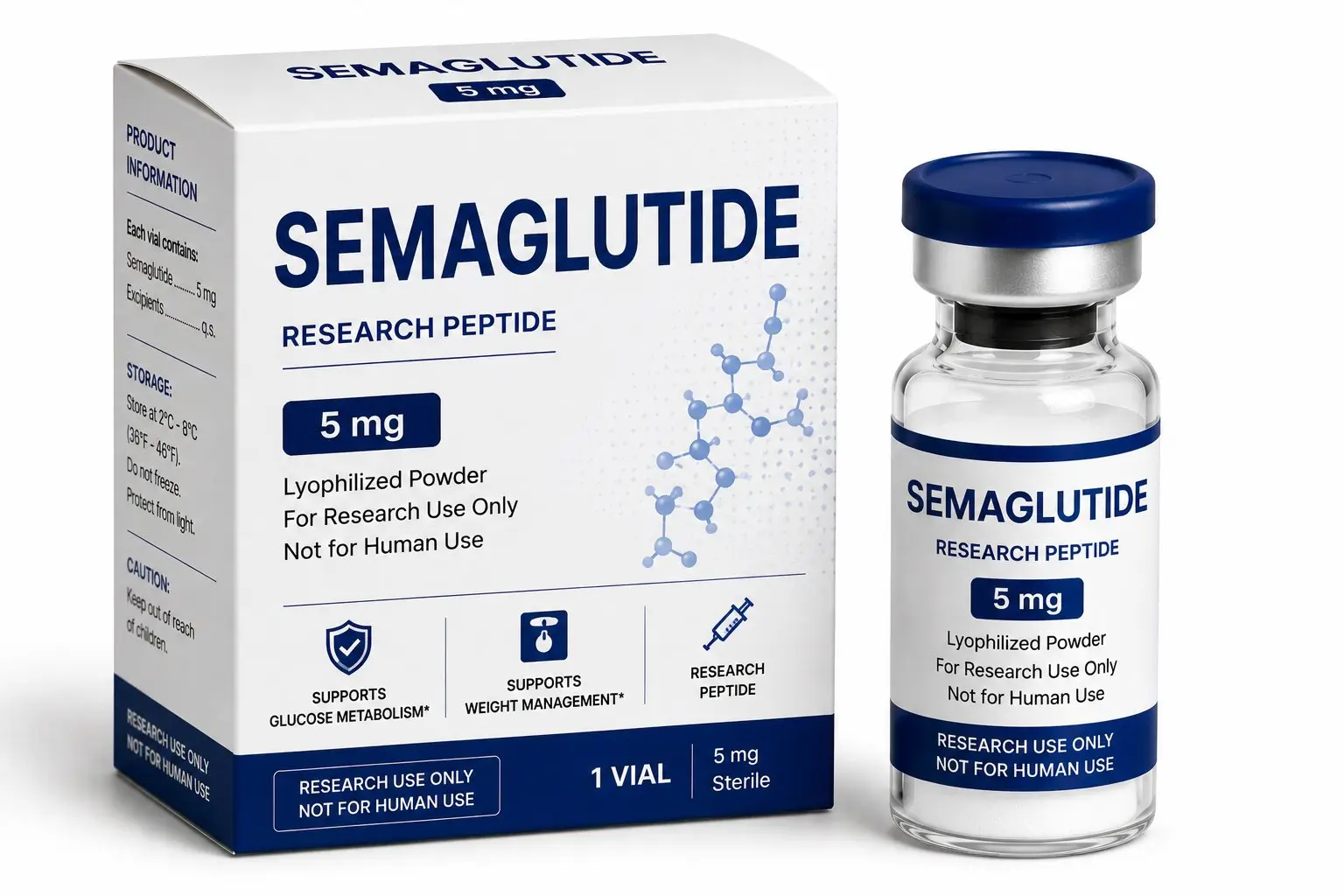
Why Semaglutide Causes Side Effects
GLP-1 receptors are distributed throughout the body — not just in the hypothalamus where appetite is regulated. They are also present in the gastrointestinal tract (where they slow gastric emptying and reduce gut motility), in the pancreas (where they regulate insulin release), in the heart (where they affect heart rate) and in the brain's nausea centres. This widespread distribution explains why GLP-1 agonists like Semaglutide produce effects beyond appetite suppression.
Side Effect 1 — Nausea (Most Common)
How common: 40–50% of research subjects experience some nausea, particularly in weeks 1–4
Severity: Usually mild to moderate — rarely severe enough to require discontinuation
Duration: Peaks in weeks 1–4, typically resolves or becomes manageable by weeks 6–8
Why It Happens
GLP-1 receptors in the area postrema (the brain's vomiting centre) and in the gut are stimulated by Semaglutide. The gut's reduced motility means food sits longer in the stomach, increasing nausea signals — particularly after eating.
How to Manage Nausea
- Inject in the evening: Peak nausea occurs 4–8 hours after injection — evening injection means peak nausea happens during sleep
- Eat smaller portions: With gastric emptying slowed, large meals dramatically worsen nausea. Eat half your normal portion size and wait 30 minutes before eating more
- Avoid trigger foods immediately after injection: Fatty, fried, very spicy or strong-smelling foods trigger nausea most. Keep meals bland and light for the first 24 hours after injection
- Ginger: Fresh ginger tea, ginger chews or ginger supplements have genuine anti-nausea evidence and are well tolerated
- Stay upright after eating: Lying down immediately after eating worsens nausea — remain upright for at least 1 hour
- Cold foods: Cold or room-temperature foods are better tolerated than hot, strongly-smelling meals during adaptation
Side Effect 2 — Constipation
How common: 24–35% of subjects in clinical research
Severity: Usually mild — rarely severe
Duration: Can persist throughout protocol if not managed proactively
Why It Happens
GLP-1 receptors in the gut slow the entire GI tract's motility — not just the stomach. This is the mechanism responsible for the feeling of fullness (food moves slowly, keeping the stomach extended) but it also means the large intestine moves more slowly, leading to constipation.
How to Manage Constipation
- Hydration: 2–3 litres of water daily — dehydration dramatically worsens constipation. This is the single most impactful intervention
- Dietary fibre: Psyllium husk (1 tablespoon daily in water) is the most evidence-backed fibre supplement for constipation
- Physical activity: Even 20-minute walks significantly improve gut motility
- Magnesium citrate: 200–400mg at bedtime has a gentle stool-softening effect without cramping
- Prunes/dried fruit: Natural sorbitol content promotes gut motility
Side Effect 3 — Fatigue
How common: 10–15% of subjects, usually in weeks 1–4
Duration: Typically resolves as the body adapts to lower caloric intake
Why It Happens
Fatigue on Semaglutide is primarily a caloric issue — not a direct drug effect. When appetite is suppressed significantly and food intake drops sharply, the body is receiving less fuel than it is accustomed to. This energy deficit causes fatigue, particularly if the subject is not strategically managing protein and micronutrient intake.
How to Manage Fatigue
- Maintain minimum 1,200 calories daily — do not let appetite suppression push intake below sustainable levels
- Prioritise protein at every meal — protein is the most satiating macronutrient and preserves energy-producing muscle mass
- B-vitamin complex — B vitamins are cofactors for energy metabolism and are often reduced during caloric restriction
- Iron levels — fatigue from reduced red meat intake is common; consider iron monitoring if fatigue is persistent
Side Effect 4 — Vomiting
How common: 5–10% of subjects, typically during escalation
When: Most common in the first 4 weeks or after dose increases
Vomiting that occurs more than once or twice during the entire protocol suggests the escalation is too aggressive. If vomiting occurs at 0.5mg, hold this dose for an extra 2–4 weeks before escalating to 1.0mg. Never escalate while experiencing vomiting — always wait until the current dose is well tolerated.
Side Effect 5 — Diarrhoea
How common: 8–12% of subjects — less common than constipation but more acute
Duration: Usually resolves within 1–2 days after each dose
More common in subjects who eat high-fat meals after injection. Management: reduce fat content of meals for 24 hours after injection. If persistent, OTC loperamide (Imodium) provides effective relief.
Side Effect 6 — Hair Thinning
How common: Reported by 5–10% of subjects, typically at 2–4 months
Cause: Not a direct drug effect — secondary to rapid weight loss (telogen effluvium)
Telogen effluvium is a well-documented phenomenon where significant physiological stress (including rapid weight loss) causes a temporary shift in the hair growth cycle, leading to increased shedding 2–4 months after the stressor. It is temporary — hair returns to normal density once weight loss slows and nutritional status is adequate.
Prevention: Adequate protein intake is the most effective prevention. 0.8–1.0g protein per pound of lean body mass. Biotin and zinc supplements also have supporting evidence.
Side Effect 7 — Increased Heart Rate
How common: Average increase of 1–4 beats per minute — mild and usually not noticeable
Significance: Rarely clinically significant in healthy research subjects
GLP-1 receptors in the heart influence heart rate. Semaglutide consistently shows a mild increase in resting heart rate in research subjects. For healthy subjects this is not a concern. Subjects with pre-existing cardiac conditions should be aware of this effect.
| Side Effect | Frequency | Timing | Manageable? |
|---|---|---|---|
| Nausea | 40–50% | Weeks 1–8 | ✅ Yes — evening injection, bland diet |
| Constipation | 24–35% | Throughout | ✅ Yes — hydration, fibre, magnesium |
| Fatigue | 10–15% | Weeks 1–4 | ✅ Yes — protein, calories, B-vitamins |
| Vomiting | 5–10% | Weeks 1–4 | ✅ Yes — slow escalation, dietary adjustment |
| Diarrhoea | 8–12% | First 24hrs post-dose | ✅ Yes — low-fat meals post-injection |
| Hair thinning | 5–10% | Months 2–4 | ✅ Yes — adequate protein intake |
| Elevated heart rate | Common | Throughout | ℹ️ Mild — rarely symptomatic |
What If Side Effects Are Severe?
In the research setting, severe or persistent side effects at any dose level indicate the dose escalation has been too aggressive. The correct response is to return to the previous well-tolerated dose and remain there for an additional 4 weeks before attempting escalation again. There is no benefit to pushing through severe side effects — slower escalation produces the same long-term results with dramatically better tolerance.
Questions About Your Semaglutide Protocol?
Text Sarah at (704) 605-9477 — we respond within 2 hours and are happy to discuss protocol adjustments. Research-grade Semaglutide from $30.
Shop Semaglutide →